「减肥笔」是 GLP-1 类药物,20 年前在美国最初是作为糖尿病治疗药物,后来才逐渐发展成减肥药。通过泰国 FDA 批准的正品药物,例如 Mounjaro 和 Wegovy,在医生手中既安全又确实有效。危险的并不是药物本身,而是「无 FDA 批准的非法药物」以及「由非医生注射、不评估、不追踪结果」。这篇文章里,Time 医生会从头到尾为您讲解,即使您对此一无所知也能看懂。
减肥笔是什么?为何突然风靡全球
近两三年来,「减肥笔」这个词几乎天天都能听到。有些人看到外国明星瘦得飞快,快到令人吃惊;有些人看到朋友拿着一支小小的、外形像写字钢笔的笔,便好奇「这到底是什么?打了真的会瘦吗?安全吗?」
我很理解您的这份疑惑,因为这是来得非常快的新事物。请先让我用最简单的方式解释:「减肥笔」其实就是一支注射药笔,里面装的是一类名为 GLP-1 receptor agonist(GLP-1 受体激动剂)的药物。笔本身只是一个「器械」,让药物能更轻松、更少疼痛地注射到皮下。真正的主角,是里面那「药」。
还有一个许多人不知道的秘密——这种药当初根本不是为了变美、变瘦而研发的,而是为了挽救「糖尿病」患者的生命。它的故事非常有意思,请让我从最初的起点说起吧。
时间线:从美国的动物毒液到全球热议的减肥药
有疑问? Time医生 提供个性化、真诚的免费咨询,绝不推销套餐。
咨询 Time医生若要理解减肥笔到底有多安全,我们得先知道它「从何而来」。因为一种拥有悠久历史、经过数十年研究的药物,自然与那些毫无来历、突然冒出来出售的「奇怪东西」不同。请让我用时间线为您勾勒出整个脉络。
奇特的起点:「希拉毒蜥」的毒液(2005 年)
您相信吗?这类药物的起点竟来自「希拉毒蜥」(Gila monster)的唾液(毒液)——那是一种生活在美国沙漠中的大型毒蜥蜴。科学家发现,它的唾液中含有一种名为 exendin-4 的物质,能长时间帮助控制血糖,于是被研发成这类药物中的第一种,名为 Byetta(exenatide),于 2005 年获得美国 FDA 批准,用于治疗 2 型糖尿病。当时还需要每天注射 2 次,也还没有人谈及减肥这回事。
重要一步:「意外」让人变瘦的糖尿病药物(2010–2014 年)
2010 年,一种名为 Victoza(liraglutide) 的新药问世,每天只需注射一次,同样用于治疗糖尿病。但全球的医生开始不约而同地注意到一件事——使用这种药的糖尿病患者,「体重明显下降」,而且并非有意为之。
正是从那时起,医学界开始思考:「既然它能让人瘦到这种程度,为什么不干脆把它研发成减肥药呢?」直到 2014 年,同样的 liraglutide 被调高了剂量,以新名字 Saxenda 推出,成为 GLP-1 类中第一种获批专门用于减肥的药物。
爆发期:Ozempic 与 Wegovy(2017–2021 年)
2017 年,一种名为 Ozempic(semaglutide) 的药物问世,亮点是只需每周注射一次,控糖效果非常好,用于治疗糖尿病。一如既往——患者的体重比旧药降得还要多。
于是在 2021 年,公司将原本的 semaglutide 调高剂量,以 Wegovy 之名推出,直接用于减肥。研究结果发现,它在约 68 周的时间里平均可减去约 15% 的体重,这在当时被认为是药物所能达到的最大幅度。正是在这一时期,「减肥笔」开始风靡全球。
最新也最强的一款:Mounjaro 与 Zepbound(2022–2023 年)
2022 年,一款名为 Mounjaro(tirzepatide) 的新一代药物问世,更聪明了一个层次,因为它能同时双向起效(同时作用于 GIP 与 GLP-1 两种激素)。最初用于治疗糖尿病,到了 2023 年,同样的药物又以 Zepbound 之名推出,用于减肥。研究发现,有些人体重下降超过 20%,被认为是目前最强效的减肥药。
| 年份 | 品牌名称 | 药物成分名 | 最初用途 | 亮点 |
|---|---|---|---|---|
| 2005 | Byetta | exenatide | 糖尿病 | 该类首款,源自希拉毒蜥毒液 |
| 2010 | Victoza | liraglutide | 糖尿病 | 每天注射一次,开始发现能让人变瘦 |
| 2014 | Saxenda | liraglutide | 减肥 | 首款直接用于减肥的 GLP-1 |
| 2017 | Ozempic | semaglutide | 糖尿病 | 每周注射一次 |
| 2021 | Wegovy | semaglutide | 减肥 | 平均减重约 15% |
| 2022 | Mounjaro | tirzepatide | 糖尿病 | 双向起效(GIP+GLP-1) |
| 2023 | Zepbound | tirzepatide | 减肥 | 最强效,可减超过 20% |
这类药物「源于治病」,并非时尚玩物。它在真实患者身上经过了数十年的研究,这意味着通过泰国 FDA 批准的正品药物有安全性数据作为支撑——只要使用得当并有医生把关。
这些药物在我们体内如何起作用?(不是医生也能看懂)
我用最通俗的方式来解释。平常我们进食时,肠道会分泌一种名为 GLP-1 的激素。这种激素就像一位「进餐管理者」,不断告诉身体「吃够了哦,饱了哦」。这类药物就是模仿这种激素,让它的作用更持久、更强,主要做三件事:
- 让人更快、更久地有饱腹感 —— 药物会减缓胃部的蠕动,食物在胃里停留更久,因此我们不容易频繁感到饥饿,吃得更少也不必太勉强自己。
- 向大脑发送信号 —— 告诉大脑中的饥饿控制中枢「降低食欲」,那种整天在脑海里盘旋的对食物的念头会减轻。
- 帮助控制血糖 —— 促使身体仅在血糖偏高时分泌胰岛素,并减少使血糖升高的激素,因此能同时把糖尿病也控制好。
理解了机制后您会发现,这种药并不是许多人误以为的「燃脂药」或「排水药」。它是帮助我们「自然地少吃」,这正是它为何有效、并且比那些刺激神经、让人心慌的老式减肥药更可持续的原因。
哪个品牌是哪种药物?(Mounjaro、Wegovy、Ozempic、Saxenda)
这一点很多人都很困惑,因为品牌名实在太多了。我简单总结一下:「品牌」和「药物成分」是两回事,就像汽水有许多品牌,但有些口味其实是一样的。
| 药物成分(真实名称) | 糖尿病品牌 | 减肥品牌 | 生产公司 |
|---|---|---|---|
| semaglutide | Ozempic | Wegovy | Novo Nordisk |
| tirzepatide | Mounjaro | Zepbound | Eli Lilly |
| liraglutide | Victoza | Saxenda | Novo Nordisk |
您看,Ozempic 和 Wegovy 其实是同一种药物 semaglutide,区别在于注册时的「剂量」和「适应症」。同样地,Mounjaro 和 Zepbound 也是同一种 tirzepatide。这就是为什么选药必须由医生来判断,而不是按照朋友推荐的品牌来选,因为适合朋友的,未必适合我们自己的身体和基础疾病。
「奇怪的品牌」不要碰——非法药物与无 FDA 批准的肽类
现在来到我最担心的部分,也是我最希望每个人都读到最后的核心。
当正品药物走红、价格又高时,市面上便开始充斥着各种「仿制品」和「奇怪的东西」。我来为您清楚地分类有几种,以及为何危险。
- 自行调配药物/分装注射剂(compounded) —— 在国外药物短缺期间,有些药房自行把药粉调配成注射剂。美国 FDA 警告,许多商家使用的是不同种类的物质(不同的盐型),有时甚至根本不含真正的有效成分。
- 「科研用肽类」(research peptides) —— 在网上出售,标注着「for research only/禁止用于人体」,以粉末或小瓶形式让人自行加水调配注射,毫无任何清洁度或剂量的管控。
- 泰国 FDA 系统中查不到的品牌 —— 例如上了新闻的 NOVOTRIMPLUS 和 VitaPeptix,听起来像是真药名,但实际上在泰国 FDA 注册系统中根本查不到。
我亲自在泰国食品药品监督管理局(泰国 FDA)官方网站 oryor.com 上查了一下,结果非常清楚:
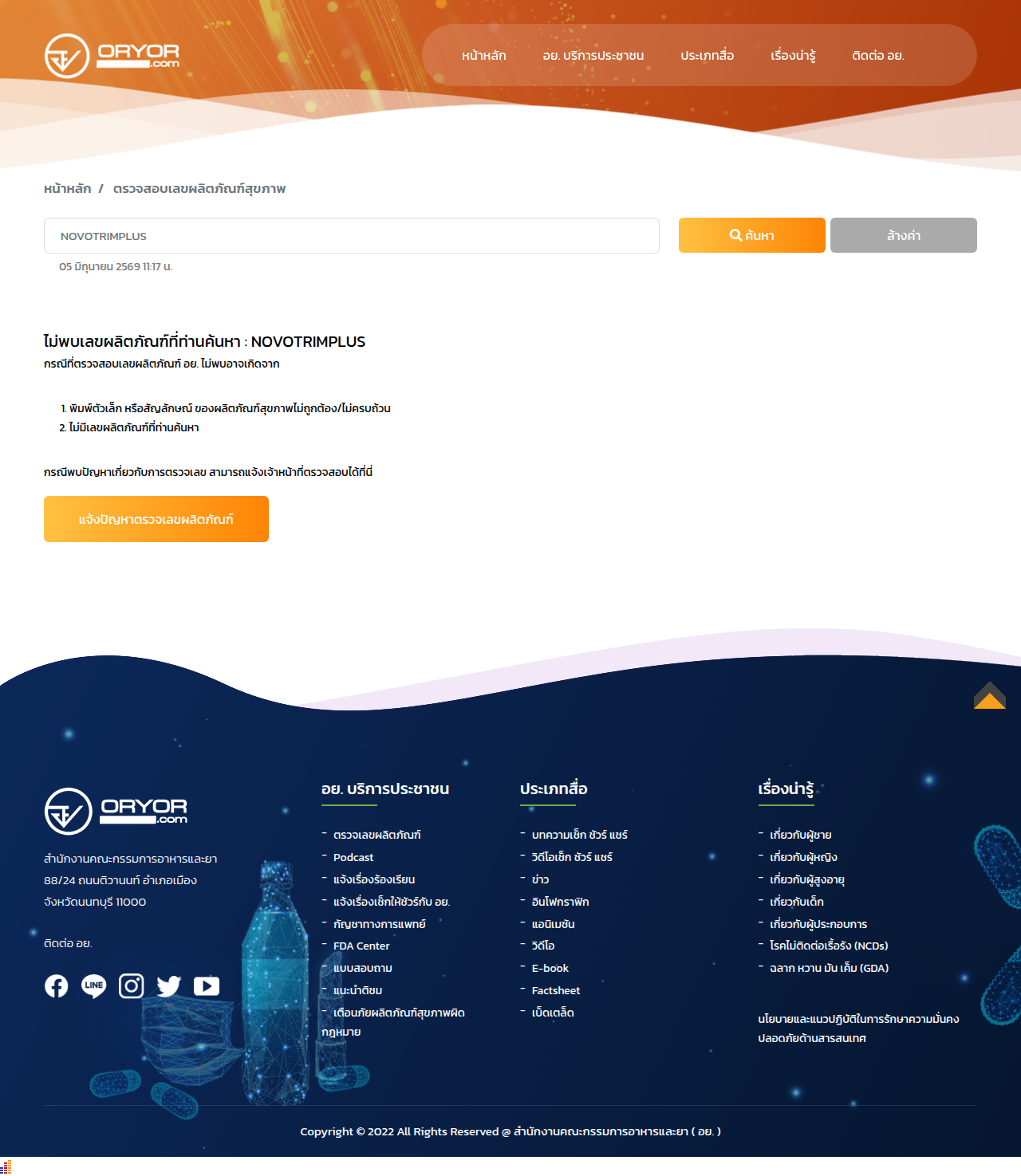
在泰国 FDA 系统中搜索 NOVOTRIMPLUS——结果是「查无此项」
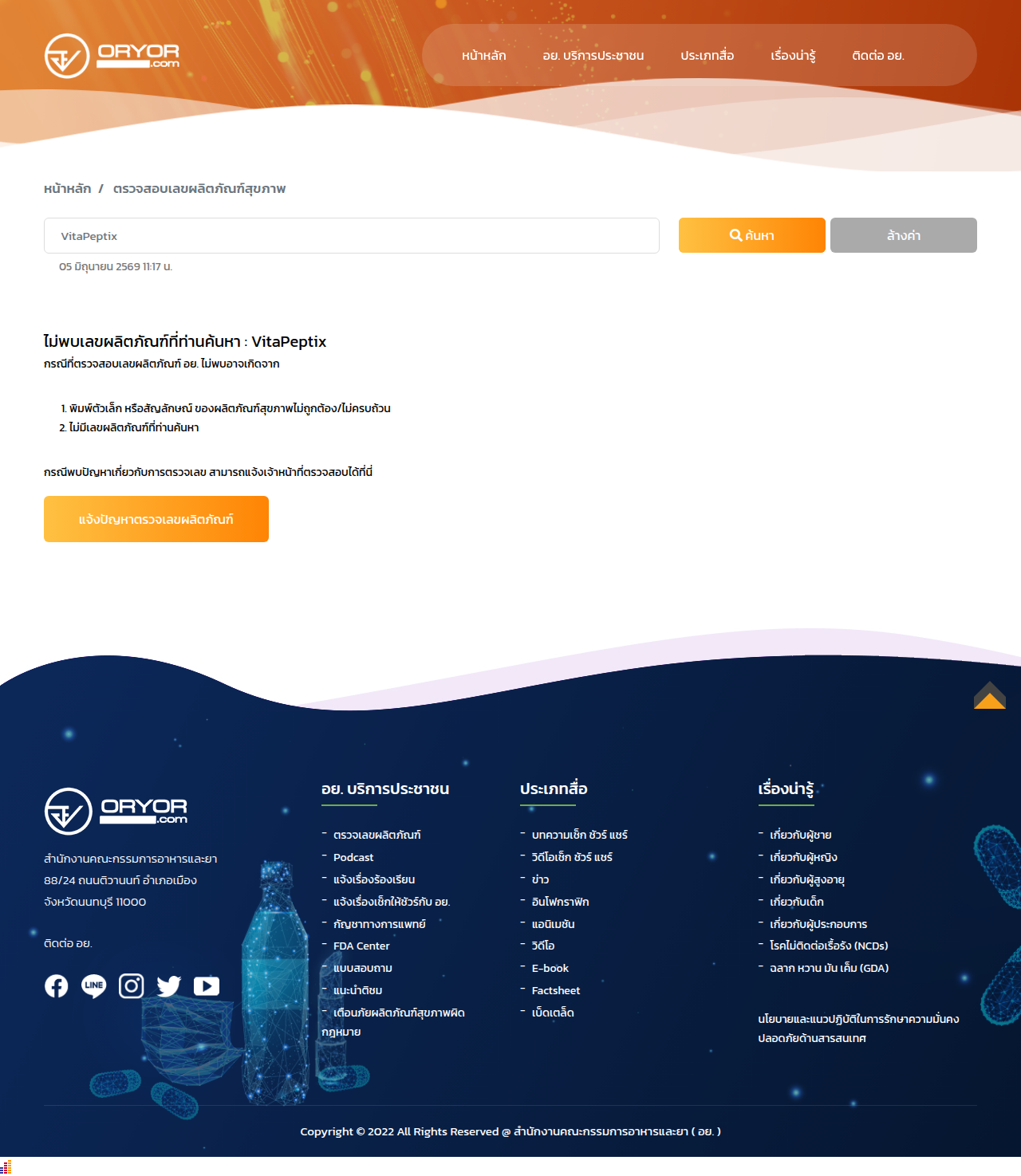
在泰国 FDA 系统中搜索 VitaPeptix——结果同样是「查无此项」
相反,像 Mounjaro 和 Wegovy 这样的正品药物,一查就能找到完整信息,有注册编号,也有合法的进口公司:

搜索 Mounjaro——找到 13 项,注册合法(Zuellig Pharma 公司)
因为没有人能担保瓶子里装的是什么、有效成分含量多少、是否干净无菌。可能发生的后果是:注射过量导致严重低血糖、血液感染、严重过敏(anaphylaxis),或者完全无效,于是患者又自行加大剂量。更重要的是,一旦出现症状,我们根本无法追溯药物的来源,因此处理起来困难得多。无论是在诊所,还是买回家自行注射,这类东西都绝对不应使用。
真实警示:诊所被勒令停业 15 天的新闻
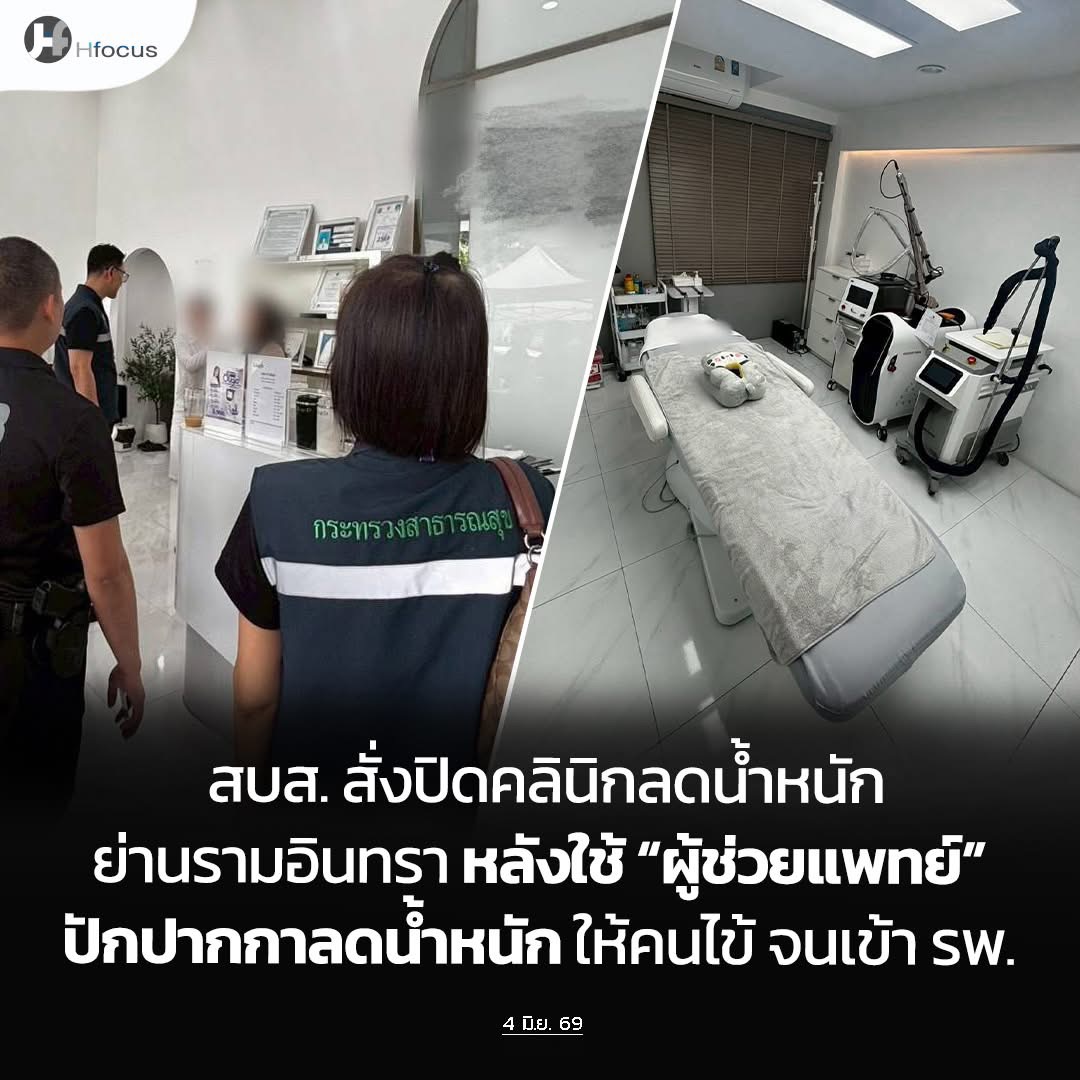
我相信许多人看到这则新闻时也都心头一沉——2026 年 6 月初,泰国卫生服务支持厅勒令位于 Ram Inthra 一带的一家减肥诊所停业 15 天,原因是发现该诊所让「医生助理」为患者注射减肥笔,导致患者不得不入院治疗。(新闻引自 Hfocus / TNews)
这件事之所以广为人知,是因为受害者的丈夫决定亲自站出来讲述。他这样做并不是为了攻击任何人,而是不希望其他家庭像他一样,守在病床边照看自己所爱的人。我读后,真的能体会到一个家人的心情。
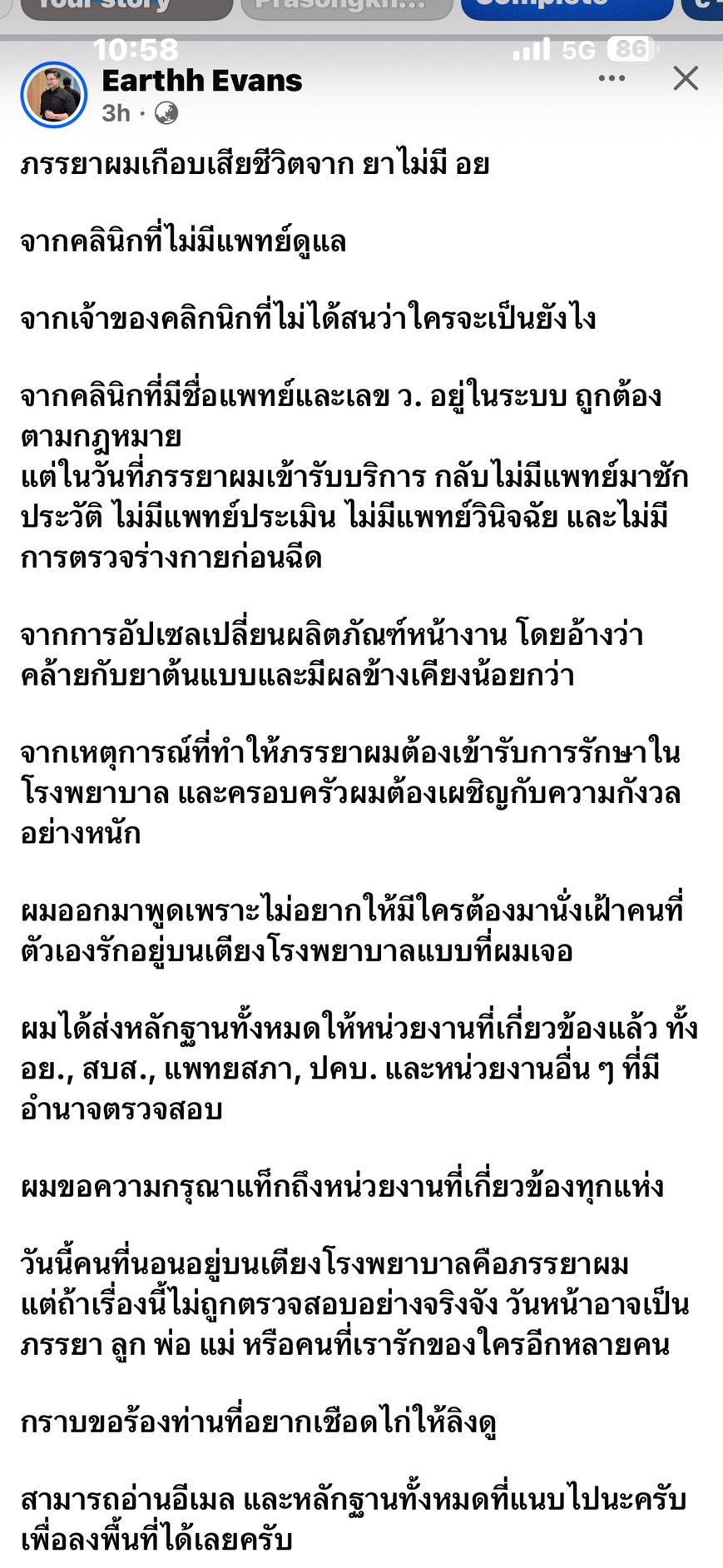
受害者丈夫亲自站出来讲述事件的帖子,为的是提醒他人不要遭遇同样的事——出于对他们一家勇气的敬意,我谨将其作为一则警醒人心的教训。
我讲这个故事并不是为了让谁害怕减肥,而是希望我们能从中学到东西。因为这个案例中出错的地方「全都是可以预防的」。根据受害者家属的讲述和有关部门的调查,问题是这样一环扣一环地发生的:
- 就诊当天没有医生诊查 —— 注射前既没有询问病史,也没有评估、没有诊断,更没有体格检查。
- 动手注射的人不是医生 —— 而是「助理」,但依照法律,助理无权进行这项操作。
- 有换药(向上销售)的情况 —— 患者本想要所要求的原厂药物,却被劝说换成店里自家的产品,声称「成分相似且副作用更少」,后来才发现那是一种未经泰国 FDA 注册的药物。
- 结果是患者入院治疗 —— 家人不得不怀着极大的担忧守在病床边照看自己所爱的人。
读完真的为他们一家感到心痛。而我所钦佩的是,他不只是发帖宣泄,而是正式将此事上报给了所有相关主管部门,包括卫生服务支持厅、泰国 FDA、泰国医学理事会、消费者保护委员会以及警方,以促成真正的调查。这是一场为了让他人更安全的抗争。
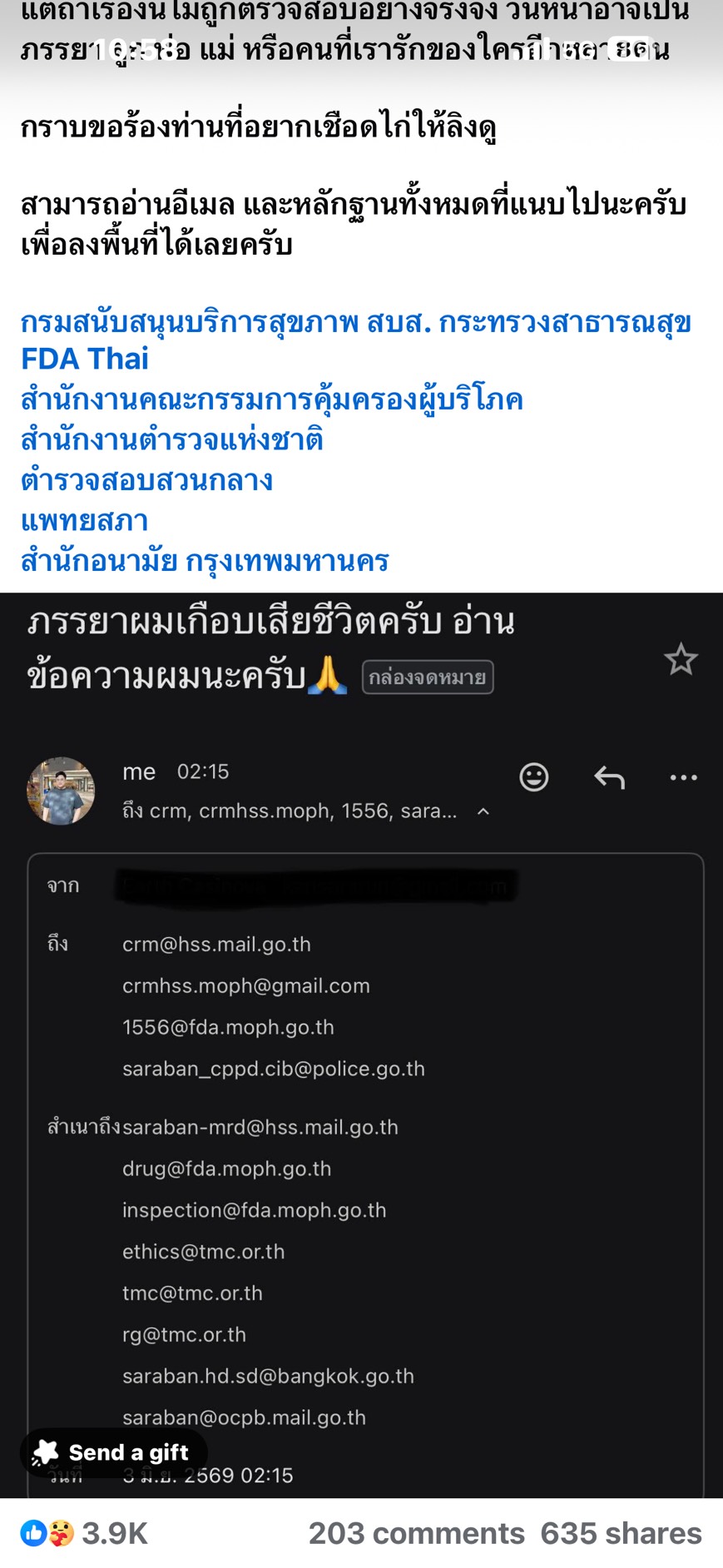
他们一家正式将此事上报给了所有相关部门,以促成认真的调查。
我直说吧——问题并不在于「减肥笔」是个可怕的东西,而在于「由谁来把关」以及「用的是真品还是假货」。如果有医生事先评估、使用通过泰国 FDA 批准的药物并追踪症状,这种事几乎不可能发生。
这样的坏消息是为了让我们「看清真相、提高警惕」,而不是让我们「害怕到不敢照顾自己」。想要安全减肥的人始终都做得到,只要选对地方、选对人、选对药,您就会安全。
必须了解的副作用——以及为何「有医生把关」会改变一切
任何有效的药物都难免有副作用,减肥笔也一样。我会如实讲述、毫不隐瞒,因为事先了解就是最好的预防。
常见症状(通常在身体适应后会自行缓解)
- 恶心、腹胀、很快就觉得饱
- 腹泻或便秘,尤其是在加大剂量的阶段
- 疲倦乏力、头痛,初期食欲不振
需要警惕的症状(不常见,但很重要)
- 胰腺炎 —— 持续的剧烈腹痛,可能放射至后背,须立即停药并就医。
- 低血糖 —— 尤其是与其他糖尿病药物合用的人。
- 肾功能下降 —— 多因严重呕吐/腹泻导致脱水所致。
- 某些类型甲状腺癌的风险 —— 因此禁用于有甲状腺髓样癌病史或 MEN2 的人。
- 急性视力模糊 —— 这是国外开始警惕的一个信号,若视觉出现异常应尽快就医。
这正是我反复强调「必须有医生把关」的原因。因为真正的医生会在注射前就筛查这些禁忌,例如询问胰腺病史、肾病、肝病、甲状腺癌病史,而一旦出现紧急症状,医生也能及时应对——至于非医生的人,根本无从知道要提防什么,出了事也无法及时施救。
泰国法律怎么说?谁能注射、谁不能注射
许多人可能不知道,这件事其实有法律在保护我们。泰国 FDA 已发布公告,将注射型 GLP-1 类药物(减肥笔)列为 「特殊管制药品」,这意味着:
- 只能由医生开具 —— 不得自行随意购买使用。诊断、选药和确定剂量都是医生的职责。
- 实际注射 可由执业护士在医生的医嘱和监督下进行 —— 但绝不是「医生助理」或普通员工。
- 诊所必须配有常驻负责医生 —— 在没有医生的情况下提供医疗服务,属于违反医疗机构法,并可能构成无证行医。
简单说,法律的设计是为了确保「决定把药物注入您身体的人,必须是有足够知识、能为您的生命负责的人」。因此那则上了新闻的案例,同时违反了药品法和医疗机构法。
在泰国披集府德普里医美诊所,我们以真正「医生」的方式照护您
说到这里,我希望您能感到更安心,因为用这类药物减肥「是可以做到安全的」,只要它在正确的人手中。
Time 医生在此承诺,在这里,治疗绝不只是「拿起笔扎一下就完事」,而是对一个完整的人的照护。每一个病例我都亲自按照真正身为医生的流程来进行:
- 询问病史 —— 询问基础疾病、正在使用的药物、胰腺、肾脏、甲状腺病史,以及您的目标。
- 评估与体格检查 —— 看您是否真的有适应症,是否有需要避免的禁忌。
- 诊断并选择合适的药物 —— 选择与您身体相称的药物成分和剂量,而不是别人用什么就跟着用什么。
- 制定剂量调整计划(titration) —— 循序渐进,以将副作用降到最低。
- 持续追踪 —— 不断询问症状、调整方案,并随时准备在出现异常时给予照护。
- 只使用通过泰国 FDA 批准、每一针都可查证的药物 —— 注射前出示药盒给您看,可以当面在 oryor.com 上查证。
我自己曾经减重 16 公斤,所以我能理解那些既想变瘦又想同时保有安全的人的心情。我不希望任何人的美丽要用风险来交换,也绝不会让任何人用没有标准的药物或敷衍草率的治疗来伤害我的患者。
在披集府咨询减肥药——Depry Clinic
如果您身在披集府或邻近府份,想在真正有医生把关的情况下安全减肥,Depry Clinic(泰国披集府德普里医美中心)很乐意照护您。在这里,Time 医生亲自评估并照护每一个病例,只使用通过泰国 FDA 批准的药物,并随时准备回答您的每一个问题,让您能安心地做决定,绝不强行推销疗程。
想开始一段无需害怕的减肥旅程,因为每一步都有真正的医生把关——欢迎随时来和 Time 医生聊聊,免费咨询,不收取任何费用。
常见问题
减肥笔(GLP-1)真的是糖尿病药物吗?为什么能拿来减肥?
是真的。这类药物最初是为了治疗 2 型糖尿病而诞生,第一款是 Byetta(exenatide),于 2005 年在美国获批。在用于治疗糖尿病期间,医生注意到患者的体重也下降了,因为药物会减缓食物的消化,并向大脑发送信号,让人更快、更久地感到饱足。后来才进一步研发成专门的减肥药,例如 Saxenda 和 Wegovy。
Mounjaro、Wegovy、Ozempic、Saxenda 有什么区别?
它们是不同的品牌,但有些其实是同一种药物的不同名称:Ozempic 和 Wegovy 都是 semaglutide(Wegovy 为减肥使用更高的剂量);Mounjaro 是双向起效的 tirzepatide;Saxenda 则是每天注射一次的 liraglutide。选择哪一种合适,须由医生根据每个人的身体状况和基础疾病来评估。
医生助理或诊所员工可以为患者注射减肥笔吗?
不可以。GLP-1 类药物是「特殊管制药品」,只能由医生开具。诊断、选药和确定剂量属于必须由医生进行的行医行为;至于实际注射,可由执业护士在医生医嘱下进行,但「医生助理」或普通员工无权自行提供注射服务,那属于违反医疗机构法。
无 FDA 批准的「奇怪品牌」减肥药,例如 NOVOTRIMPLUS、VitaPeptix,有什么危险?
未在泰国 FDA 注册的药物,没有质量、安全性或药物含量方面的认证,可能含有杂质、不无菌、剂量不确定,也没有人知道里面究竟是什么。经在 oryor.com 上查证,NOVOTRIMPLUS 和 VitaPeptix 在泰国 FDA 系统中连一项都查不到,因此无论在诊所还是在日常生活中都不应使用。
我自己要如何查证诊所使用的药物是否真的通过了泰国 FDA 批准?
进入泰国食品药品监督管理局的网站 oryor.com,选择产品查询菜单,然后输入药名,例如 Mounjaro 或 Wegovy。如果能查到相应条目,说明注册合法;如果查不到,请先提高警惕。只需 2 分钟,而符合标准的诊所总是乐意让您查看药盒并当面查证。
减肥笔的副作用有哪些?危险吗?
最常见的是消化道症状,例如恶心、腹胀,以及在调整剂量阶段出现的腹泻或便秘,这些通常在身体适应后会好转。需要警惕的则有胰腺炎、低血糖、因脱水导致肾功能下降,以及急性视力模糊。严重症状并不常见,且在有医生筛查禁忌并追踪症状的情况下会安全得多。
哪些人不适合或应避免使用减肥笔?
有胰腺炎病史、甲状腺髓样癌病史或 MEN2 综合征的人,孕期或哺乳期女性,患有严重肾病或肝病的人,以及体重本就在正常范围内的人。这种药是为真正有适应症的人准备的,并不是谁都可以随意注射来「变瘦变美」的东西,因此务必先经医生评估。
在披集府的德普里医美,照护方式与那种「乱打一通」相比有何不同?
Time 医生以真正身为医生的方式照护每一个病例:询问病史、评估风险、体格检查、诊断适合哪一种药物、制定剂量调整计划,并持续追踪结果,只使用通过泰国 FDA 批准、每一针都可查证的药物,而不是拿起笔扎一下就完事。因为治疗是对人的照护,而不只是注射药物。
参考来源与查证
我希望您能自己查证我所引用的信息——以下是本文所参考的来源:
- 泰国食品药品监督管理局(泰国 FDA) —— 健康产品查询与药品注册系统:oryor.com
- U.S. Food and Drug Administration(美国 FDA) —— GLP-1 类药物(Byetta、Saxenda、Ozempic、Wegovy、Mounjaro、Zepbound)的批准信息:fda.gov
- Hfocus 深度报道卫生体系 —— 卫生服务支持厅勒令减肥诊所停业 15 天的新闻(2026 年 6 月):hfocus.org
- 泰国公共卫生部卫生服务支持厅 —— 《医疗机构法》及对 GLP-1 类特殊管制药品的监管