- What exactly is Collaju — the "fresh collagen" you keep hearing about
- Why Collaju is so popular right now
- How it works beneath your skin (no medical degree required)
- How Collaju differs from filler and collagen biostimulators
- Who Collaju suits and who should wait
- When you'll see results and how long they last
- Is it safe? Side effects you should know
- What I want to tell you honestly before you decide
- How much it costs and is it worth it — straight talk
- Getting Collaju in Phitsanulok — Depry Clinic
- Frequently Asked Questions
- References & how to verify
If you scroll through beauty content often these days, you've probably stopped on the word "Collaju," which many people casually call Korean "fresh collagen," and couldn't help wondering what it actually is, whether it's different from the filler you've heard about, and most importantly — whether it's worth spending your money on.
I understand the hesitation, because whenever something becomes a trend, the information tends to come wrapped in pretty words until you can't tell what's true and what's advertising. So today I, Dr. Time, want to sit down and explain it to you plainly, both the upsides and the things to watch out for, so you can decide from real understanding rather than from the urge to follow a trend.
What exactly is Collaju — the "fresh collagen" you keep hearing about
If you're picturing Collaju as taking fresh collagen and injecting it straight into your face, let me clear this up first, because this is where a lot of people get it wrong.
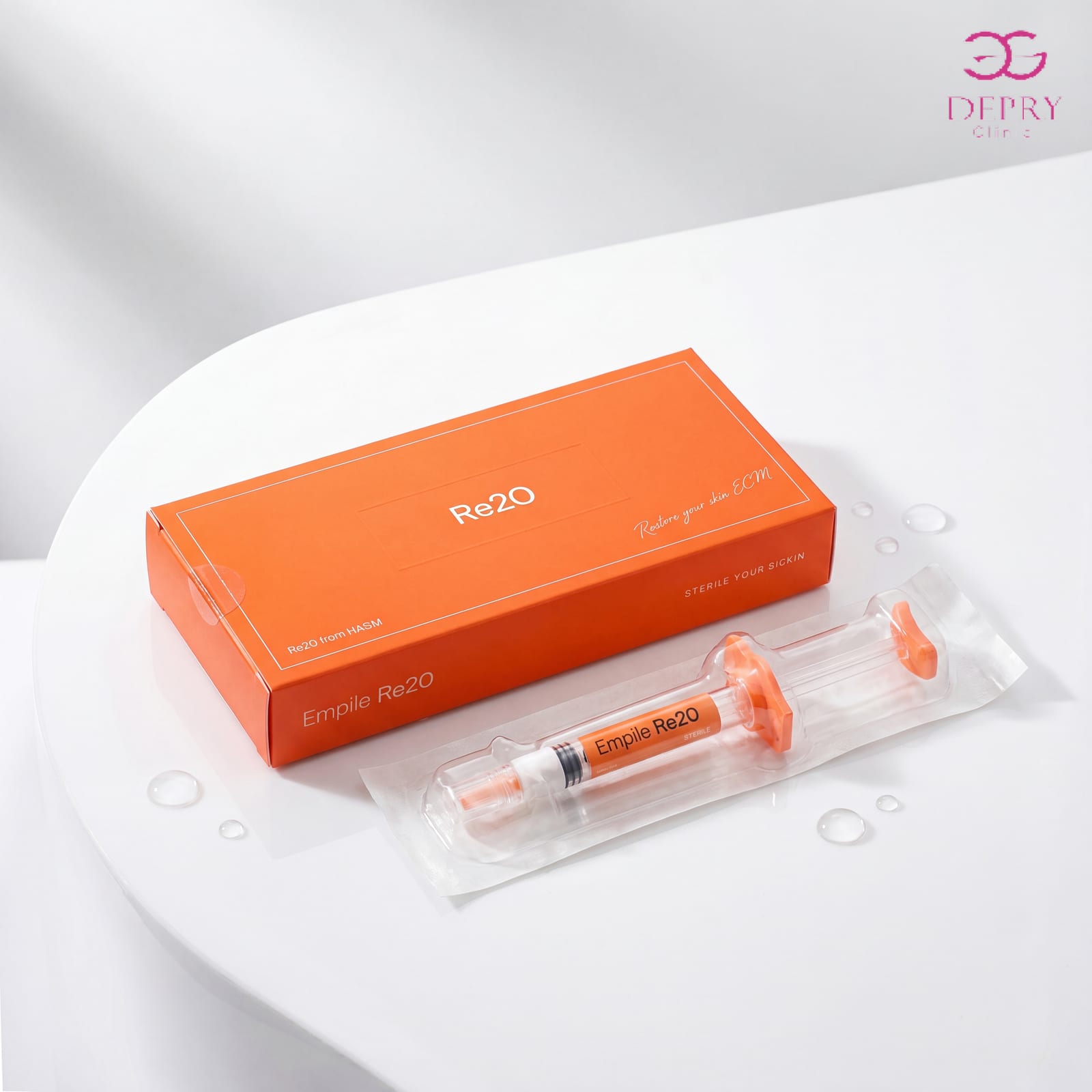
Fundamentally, Collaju belongs to a group of injectables that use a type of collagen called atelocollagen, which is collagen that has had the molecular tail ends, known as the telopeptide, removed. It sounds like a difficult term, doesn't it? Let me give you a simple comparison: those molecular tail ends are exactly the part your body tends to "recognize" and react against. Once they're removed, this collagen fits with your body more easily, and the chance of an allergic reaction or irritation drops.
Its goal isn't to plump you up like a filler, but to look after your "skin quality" — to make your skin look smoother, more hydrated, and healthier, and to help stimulate your skin to produce more of its own collagen. As for the word "fresh" attached to the name, I see it as a marketing term that sounds appealing rather than a medical one.
Why Collaju is so popular right now
Got questions? Dr. Time offers personalized, honest consultations — no upselling.
Consult Dr. TimeIf it feels like people around you are talking more about "natural skin care" these days, you're not imagining it. The beauty trend lately has shifted from "have it done and change your face" to "have it done and look like a healthier version of yourself," and Collaju arrived at just the right moment.
Quite a few people have grown tired of the tight or overly plump look and have started looking for something that makes their skin's actual texture look better without feeling forced. Combined with the trust Thai people already have in Korean skincare, Collaju, with its selling point of being collagen from Korea, drew interest especially quickly.
But with your best interests at heart, I want to remind you that the strength of a trend doesn't mean it suits everyone, and it doesn't mean every brand using a similar name is of equal quality. This is exactly where I'd like you to slow down and look at the full picture first.
How it works beneath your skin (no medical degree required)
When patients ask me, "Once it's injected, what does it actually do inside?" I like to explain it in two stages, because it helps you see why the results come on gradually rather than all at once like inflating a tire.
Stage one: the skin looks better from the collagen itself
Once the collagen settles into your skin layer, it helps with hydration and skin texture to a degree from the very start. That's why many people feel their skin looks more hydrated and smoother early on.
Stage two: the skin begins producing its own collagen
This is the real heart of this kind of treatment. When collagen comes in to stimulate it, your skin gradually reorganizes and builds new collagen of its own (in medical terms, this process of building new collagen is called neocollagenesis). The result is skin that looks better in quality cumulatively, rather than tissue being added to replace it.
Because that's how the mechanism works, I usually tell patients honestly not to expect a "face change" in a single day. What Collaju does well is care for your skin's texture so it looks healthier, which is a different goal from sculpting facial structure.
How Collaju differs from filler and collagen biostimulators
The question I get most often is, "How is it different from the filler I've had before?" or "Is it like the collagen biostimulators my friend had?" So I want to lay them side by side clearly, because these three are completely different jobs, and choosing the wrong one means results that don't match what you hoped for.
| Topic | Collaju (atelocollagen) | HA filler (Hyaluronic Acid) | PLLA collagen biostimulator (e.g. Sculptra) |
|---|---|---|---|
| Main job | Conditions skin quality + stimulates collagen | Adds volume, builds structure, fills folds | Stimulates the body to build new collagen |
| Visible result | Smoother, more hydrated, healthier skin, gradually | Plump, full, clearly visible right away | Fuller-looking face that accumulates over months |
| Speed of result | Felt early, full result follows later | Immediately after treatment | Slowest, needs a course of sessions |
| Best for | Tired, dehydrated, dull, unrefreshed skin | Deep folds, hollow cheeks, lost structure | Sagging skin, age-related volume loss across the face |
| Easy way to think of it | "Care for the skin's texture" | "Add volume" | "Wake the skin up to build its own" |
You can see that all three don't directly compete; they answer different needs. If you want smoother, better-looking skin, Collaju is worth considering. But if the issue is deep folds or facial structure, forcing Collaju into that role won't give you the result you're hoping for. That's why I need to look at your face in person before I can tell you what suits you best.
Who Collaju suits and who should wait
Before you decide, I'd like you to hold yourself up against these two groups. It helps make it clearer whether Collaju truly answers your needs.
People Collaju usually suits
- People who feel their skin is starting to look tired, lacks hydration, and looks dull and less refreshed than before
- People who want to care for their skin quality in a natural way, without their face changing so much that others notice
- People who already do everything they can with skincare but feel it isn't enough and want to support it from within
People I'd want to consult first, or who should wait
- People with a history of collagen allergy, or certain immune or easily-reactive conditions — they should always be assessed by a doctor first
- People whose real issue is deep folds or lost facial structure — they may need filler or another approach that's a better fit
- People who are pregnant or breastfeeding, and those with inflammation or infection in the area to be treated
I emphasize this not to keep you away, but because I want what you do to be genuinely "worth it and safe." Getting to talk with a doctor first is how we filter out risk from the very beginning.
When you'll see results and how long they last
When patients ask, "How many days until I see results, and how many months does it last?" I completely understand wanting clear numbers to decide on. But honestly, there's no fixed number that applies to everyone.
About seeing results
Many people feel their skin looks more hydrated and smoother in the early days after the treatment, but the real substance is the collagen gradually adjusting over weeks to months. So if you want to see the full result, you need to give your skin a little time to do its work.
About how long it lasts
This really depends on many factors — the formula and concentration of the brand used, the amount injected, the layer of skin it's placed in, all the way to each person's age and self-care. So I'd recommend asking the clinic that actually uses that product for two things: the follow-up schedule they recommend, and before-and-after photos of real cases. That's far more accurate than trusting the numbers in an ad.
Is it safe? Side effects you should know
Safety is what I value most, because no matter how beautiful the result, if it isn't safe it means nothing. So let me be honest about both the reassuring side and the side to watch out for.
Overall, your body tolerates injectable collagen products well. The most common reactions are specific to the injection site, such as redness, swelling, bruising, or mild tenderness. According to the medical data on injectable collagen products, these reactions are usually not severe and gradually settle on their own within a few days to about one or two weeks. Serious side effects are uncommon.
What actually makes it safer
I'd like you to remember these three things, because they're what separate "having it done with peace of mind" from "having it done at a risk":
- A product whose source can be verified — knowing what type of collagen it is, the concentration, who makes it, and whether it's registered
- An injection technique placed in the right layer — injecting into the wrong layer or position can increase the chance of lumps or uneven skin, even though this is a skin-care group
- Having a doctor screen you first — people with contraindications or who react easily should be filtered out before treatment, not find out afterward
What I want to tell you honestly before you decide
I think this section is the most important in the article, and it's the reason I wanted to write it myself, because Collaju is a name used by many different sellers on the market, and the formulas and details of each brand aren't exactly the same. Some places state the concentration, others aren't clear about it.
So I don't want you to decide based on the "name" alone, but to look at the "real product" before you have it done. I recommend always doing these two things, wherever you go:
- Ask to see the box and product label in person — look at the type of collagen, the concentration, the manufacturer, and the registration number
- Check the registration with the Thai FDA at oryor.com, which only takes a few minutes
A clinic that genuinely intends to care for you will always be happy to let you look and verify in person. If a place won't let you see the product, or dodges questions about its source, that's something I'd want you to listen to your gut about first. Asking isn't rude; it's your right as someone who is about to let them care for the skin on your face.
How much it costs and is it worth it — straight talk
I understand the cost is what you most want to know, but I won't throw a floating number at you, because a price with no conditions tends to mislead more than it helps you decide. Let me explain what it's based on instead, so you can assess it yourself.
What the price depends on
- The brand and formula of the product used (different formulas and concentrations mean different costs)
- The amount needed, which depends on the area and skin condition of each person
- Whether it's done as a single session or as a course according to the plan your doctor sets out
So, is it worth it?
My definition of "worth it" isn't measured by "cheapest" but by "best matched to the problem." If your skin truly needs skin-quality care, then Collaju is worth it. But if the real issue is deep folds or facial structure, having Collaju done could end up being paying without hitting the mark. The most worthwhile thing is always to let a doctor assess what your skin really needs first, and then choose the right approach, rather than choosing because something is trending.
Getting Collaju in Phitsanulok — Depry Clinic
If you're in Phitsanulok or a nearby province and you're hesitating over whether to have Collaju, I'd like to invite you to start by coming in for a chat first. There's no rush to have it done.
At Depry Clinic, Dr. Time looks after every case by assessing first, always — I'll listen to what's worrying you, look at your actual skin, and tell you honestly whether Collaju suits you or whether there's a better option. I use only products whose source can be verified, I let you see the label and check the registration in person, and what I most want you to trust is this: whatever the result, I stay and care for you afterward; it doesn't end at the last needle.
For me, the person who walks in isn't a customer who comes, gets treated, and leaves, but someone who trusts me to look after them. So I want you to receive good care close to home, without having to travel all the way to Bangkok.
Frequently Asked Questions
What is Collaju? Is it really fresh collagen?
Collaju is a group of injectables marketed as Korean "fresh collagen." At its core it's an atelocollagen-type collagen that focuses on caring for skin quality and stimulating collagen, rather than adding volume. The word "fresh" is a marketing term; what you should really look at is the formula and registration of each brand.
How is Collaju different from regular filler?
The difference is what they do. HA filler adds volume with plumping you see right away, while Collaju focuses on conditioning your skin and stimulating your own collagen, with results that look smoother, more hydrated, and healthier, coming on gradually. If you want to fill a fold or build structure, filler is the better fit.
When will I see results from Collaju, and how long do they last?
Many people feel their skin looks more hydrated and smoother early on, but the real result is the collagen gradually adjusting over weeks to months. How long it lasts depends on the formula, the amount, the skin layer, and your own body. I'd suggest asking the clinic that actually uses that product for a follow-up schedule and before-and-after photos.
Is Collaju safe? What are the side effects?
Overall it's well tolerated. The most common side effects are mild redness, swelling, bruising, and tenderness at the injection site, which usually settle on their own within a few days to about one or two weeks. What makes it safer is a product whose source can be verified, the right injection layer, and a doctor who screens you first.
How do I check that the Collaju a clinic uses is genuine and Thai FDA approved?
Ask to see the box and label in person, look at the type of collagen, the concentration, the manufacturer, and the registration number, then check with the Thai FDA at oryor.com, which takes only a few minutes. A clinic that meets proper standards will always be happy to let you look and verify in person.
Is Collaju worth it? Who is it for?
It's worth it if your skin concern matches what Collaju can do, such as tired, dehydrated, or dull skin, and you want to care for your skin quality naturally. But if the issue is deep folds or facial structure, filler or a collagen biostimulator may be more worth it. Letting a doctor assess you first is what's most accurate.
References & how to verify
These are the sources I used while writing this article — click through and read the originals yourself if you want to check where my information comes from:
- PubMed Central (PMC9963981) — an academic article concluding that injectable collagen products are well tolerated overall, with side effects usually at the injection site and resolving in about 1–2 weeks: pmc.ncbi.nlm.nih.gov
- U.S. FDA — Dermal Fillers (Soft Tissue Fillers) — official U.S. information on what the various injectable soft tissue fillers are and the safety points you should know: fda.gov
- NHS (United Kingdom) — guidance on having aesthetic procedures safely and how to choose a provider: nhs.uk
- Thai FDA — the website for checking product registration, used before treatment to verify that what a clinic uses is properly registered: oryor.com
Written by
ดร.นพ.ณธธรรมภ์ โอภาอภิณัฐฏ์ (หมอธามน์)Clinic physician at de Pry Clinic, Phitsanulok · Thai medical license no. 56524