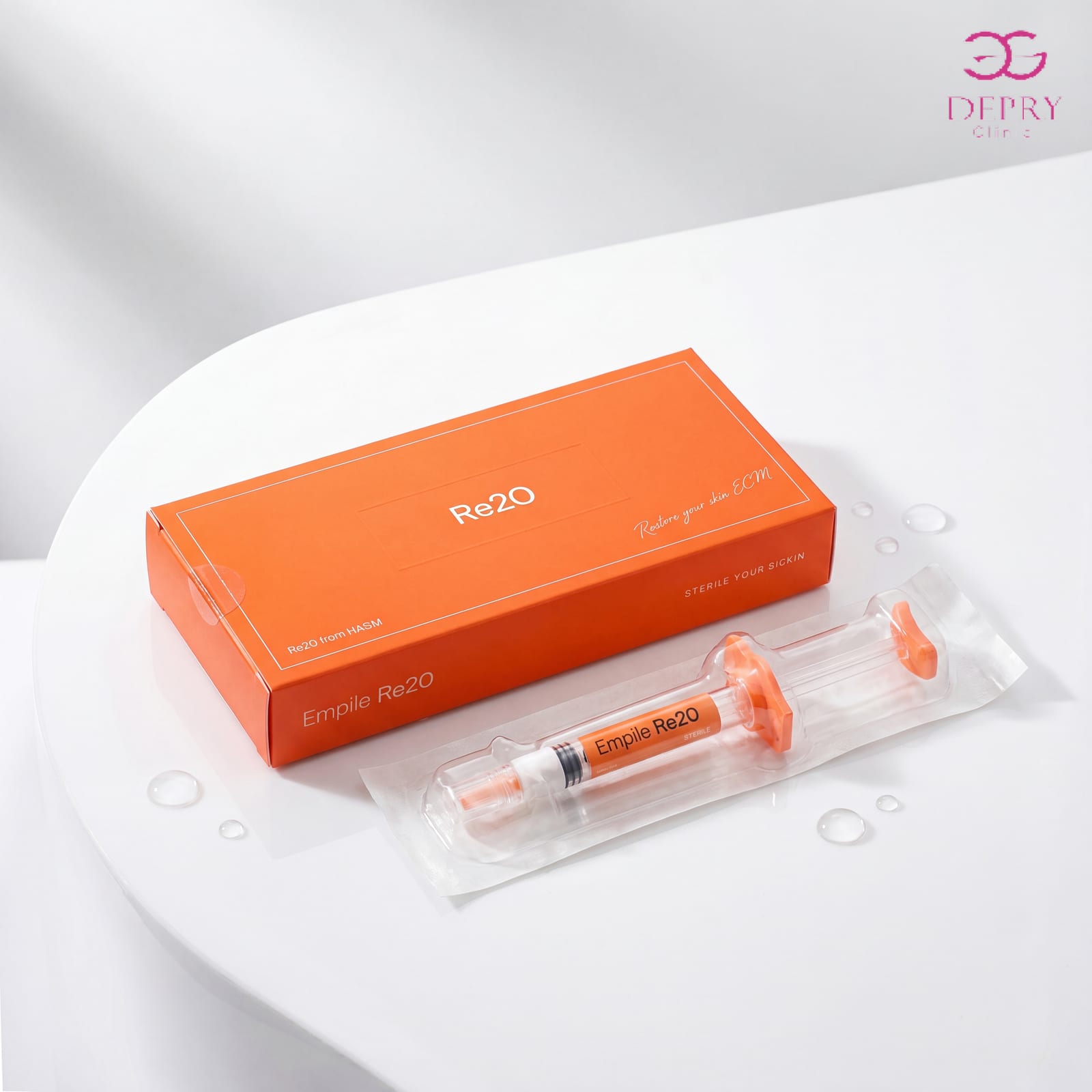
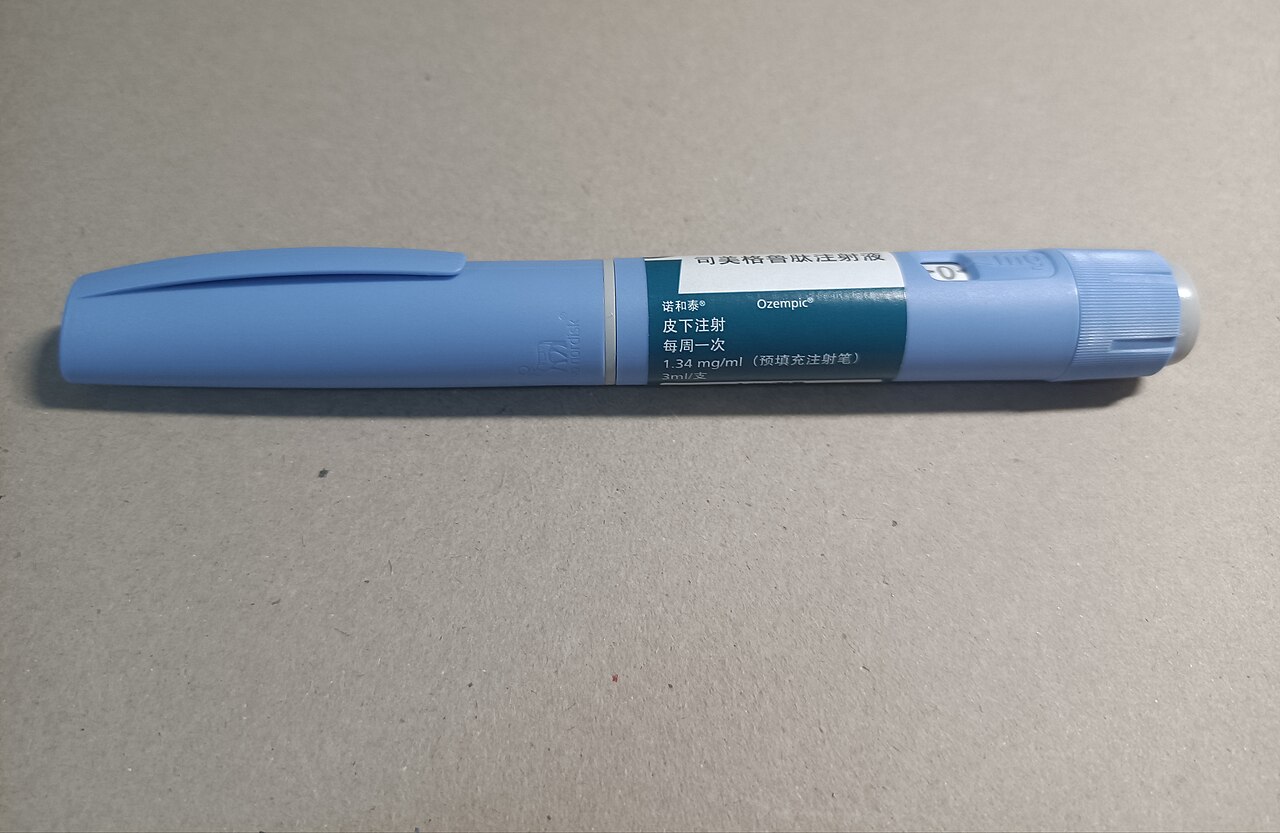
GLP-1 weight-loss pens (Ozempic, Wegovy, Mounjaro, Saxenda) are one of the most important advances in modern medicine and genuinely help people with obesity and diabetes — when used under medical supervision. This article isn't here to scare you off the medication. It's here so you recognise the side effects and the warning signs that mean you should seek care, so you can use it with confidence and safety.
If you're using — or thinking about — a weight-loss pen and you've seen alarming posts that left you anxious, I understand that feeling. Every medication has both benefits and side effects. What makes it truly safe isn't avoiding it out of fear, but understanding it and having a doctor beside you. Here I'll walk you through it honestly and even-handedly — the good and the things to watch for.
- What are GLP-1 weight-loss pens, and how do they work?
- Which brand is which medication? (Ozempic, Wegovy, Mounjaro, Saxenda)
- Do they actually work? The evidence-backed benefits
- Side effects and complications you should know
- Warning signs that mean go to the hospital
- Always tell your doctor before surgery or an endoscopy
- How to use weight-loss pens safely — Why Depry Clinic, Phitsanulok
- Frequently asked questions
- References & how to verify
What are GLP-1 weight-loss pens, and how do they work?
"Weight-loss pen" is the everyday name for a class of injectable drugs called GLP-1 receptor agonists. They were originally developed to treat type 2 diabetes, but doctors noticed patients also lost significant weight — so the class was developed further specifically for weight loss.
The main mechanism is that the drug slows stomach emptying (delayed gastric emptying), so you feel full sooner and longer, while also signalling the brain to reduce appetite. You eat less without the constant willpower battle of ordinary dieting. That same mechanism is both the hero of the story and the root of several side effects we'll cover below.
Which brand is which medication? (Ozempic, Wegovy, Mounjaro, Saxenda)
Got questions? Dr. Time offers personalized, honest consultations — no upselling.
Consult Dr. TimeMany people are confused by the number of names. In reality, some are the same drug under different brands:
| Brand | Generic | Injection frequency | Notable point |
|---|---|---|---|
| Saxenda | Liraglutide | Once daily | An earlier GLP-1 for weight loss |
| Ozempic / Wegovy | Semaglutide | Once weekly | Same drug (Wegovy uses a higher dose for weight loss) |
| Mounjaro | Tirzepatide | Once weekly | Dual action (GIP + GLP-1), a newer agent |
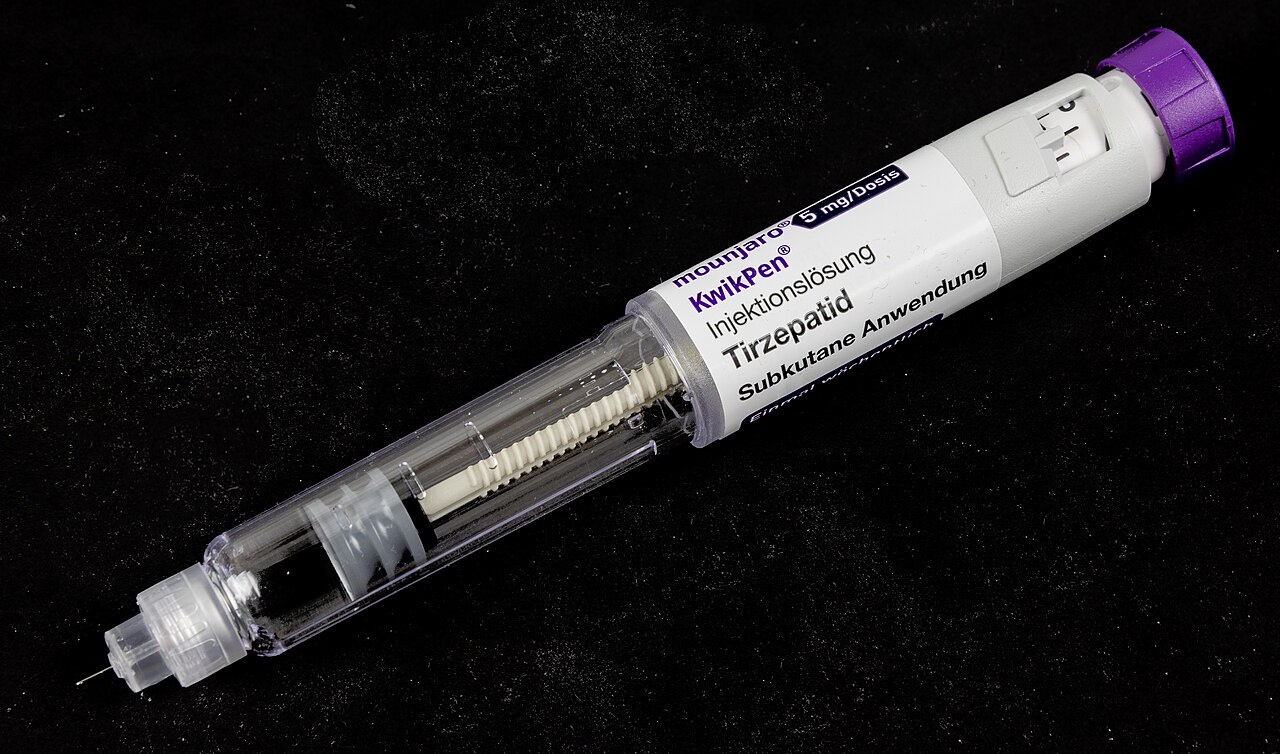
Choosing the right one — and the right dose — needs a doctor's assessment based on your body, your medical history and your goals. Not on which brand is trending or what worked for a friend.
Do they actually work? The evidence-backed benefits
I want to start with the good news, because this class of drugs is not something to be feared. On the contrary, it has changed many patients' lives:
- Significant weight loss in people with obesity, which lowers the risk of heart disease, hypertension and knee osteoarthritis.
- Strong blood-sugar control in type 2 diabetes, and some agents have evidence of reducing cardiovascular risk.
- Because they act in a glucose-dependent way, the risk of low blood sugar is lower than with many older diabetes drugs when used alone.
The goal of this article isn't to make you stop the medication — it's to help you use it knowledgeably: to know what's normal and what's a warning sign. Once you know that, you'll use it with much more peace of mind.
Side effects and complications you should know
The most common side effects are gastrointestinal — nausea, vomiting, bloating, constipation or diarrhoea — affecting around 15-20% of users, mostly when starting or increasing the dose. The good news is they're usually not dangerous and improve with time, and a gradual dose titration dramatically reduces them.
Below are the rare-but-important complications worth recognising. Please remember these are uncommon, and the risk is much lower with medical care:
- Dehydration & acute kidney injury — from severe vomiting. In 2025 the FDA added a class-wide warning about kidney injury caused by dehydration. Stop the drug and seek care if you can't keep fluids down.
- Severe delayed stomach emptying (gastroparesis) — intense bloating, vomiting old food; see a doctor to adjust the dose.
- Acute pancreatitis — uncommon (~358 vs 170 per 100,000 patient-years; under 0.4% per year) but serious. Warning sign: severe upper-abdominal pain radiating to the back. Stop the drug and go to hospital.
- Gallstones & cholecystitis — rapid weight loss plus reduced gallbladder motility raise the risk (~1.5-2.7% vs 0.7-1.2%), highest in the first 6-12 months. Watch for right-upper-abdominal pain with fever.
- Ileus / bowel obstruction — the FDA added an obstruction warning to the Ozempic label in Sept 2023. Watch for abdominal pain, severe bloating, no bowel movement or gas.
- Low blood sugar — very low risk alone, but high if combined with insulin or sulfonylureas. Your doctor must adjust those.
- Euglycemic ketoacidosis — rare but dangerous and easy to miss; seen with prolonged poor intake or combined SGLT2 inhibitors, where blood sugar can look near-normal despite breathlessness.
Warning signs that mean go to the hospital
- Severe upper-abdominal pain radiating to the back (possible pancreatitis)
- Right-upper-abdominal pain with fever (possible cholecystitis)
- Abdominal pain, severe bloating, no bowel movement or gas (possible obstruction)
- Severe vomiting, unable to eat or drink, reduced urination, marked fatigue (possible dehydration/kidney)
- Unusual breathlessness or rapid breathing (possible ketoacidosis)
- Palpitations, sweating, drowsiness, confusion (possible low blood sugar — especially with diabetes medication)
Knowing these signs doesn't mean you should worry constantly — it's simply a safety net so you and your family can act in time. When in doubt, you can always call the doctor caring for you.
Always tell your doctor before surgery or an endoscopy
This is something many people don't realise and it matters. Because GLP-1 drugs slow stomach emptying, in Nov 2024 the FDA updated the labels to warn about the risk of aspirating food into the lungs under anaesthesia, even after the usual fasting.
The latest guidance from the American Society of Anesthesiologists (ASA) became more permissive in 2024: most patients can continue the drug before routine surgery — unlike the stricter 2023 advice to hold it for everyone. But for higher-risk patients (recently started or dose-escalated, ongoing GI symptoms, or known slow emptying), a 24-hour liquid-only diet beforehand is recommended, and the anaesthesia team may use special techniques to reduce aspiration risk.
Simply tell your surgeon and anaesthetist every time that you use a weight-loss pen (name the drug and when you last injected). That's all the team needs to plan safely.
How to use weight-loss pens safely — Why Depry Clinic, Phitsanulok
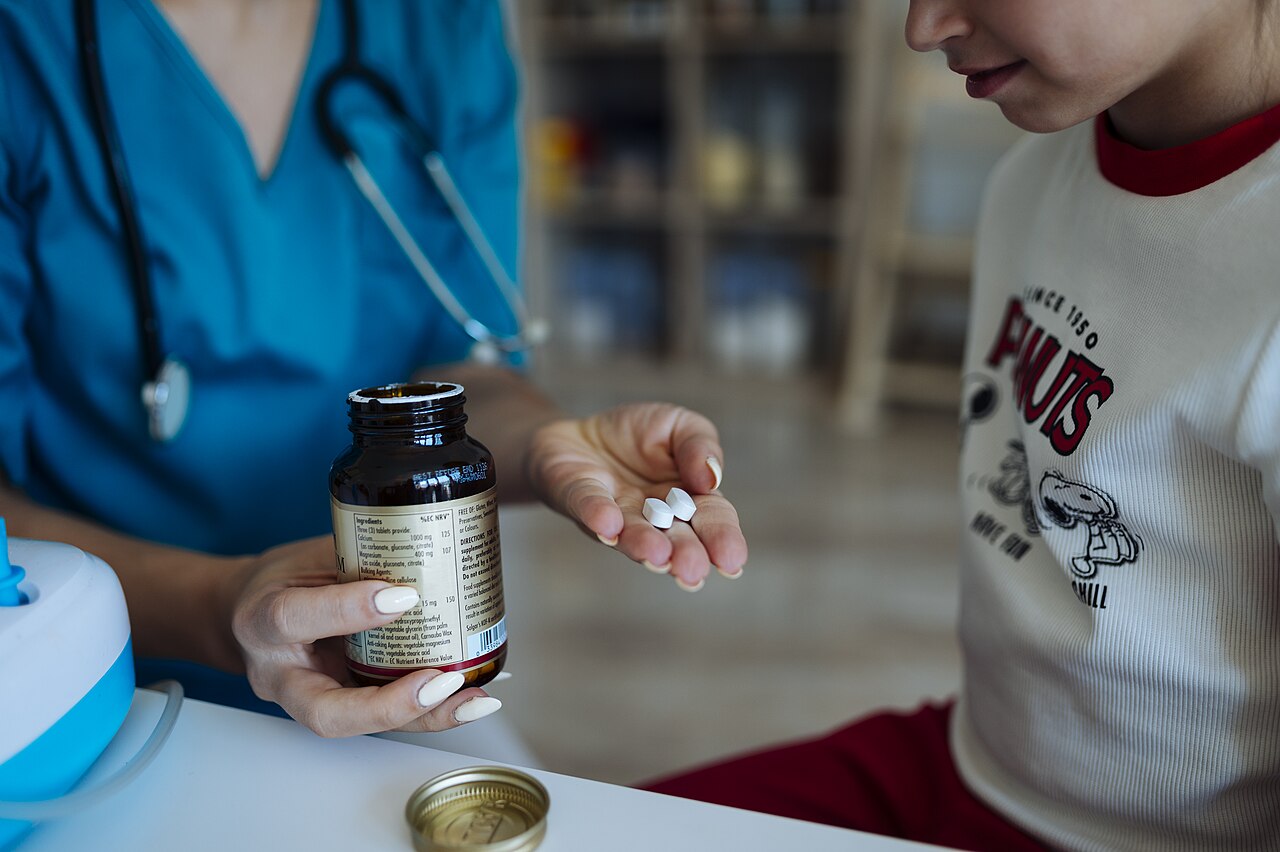
Notice that almost every complication above can be prevented or managed with proper medical care. The key principles are few:
- Titrate the dose gradually — the single best way to reduce GI side effects.
- Screen for contraindications first — e.g. a history of pancreatitis, medullary thyroid cancer or MEN2 syndrome, pregnancy/breastfeeding.
- Disclose all your medications — especially diabetes drugs (insulin, sulfonylureas, SGLT2) so they can be adjusted.
- Follow up consistently — someone to check in and adjust the plan when side effects appear.
- Use only registered medication — avoid unverifiable brands or untrustworthy sources.
Buying a weight-loss pen and injecting it yourself without a doctor — or getting it where there's no real physician — is what concerns me most. You lose the contraindication screening, the proper dose titration, and the person to help when side effects appear. Real safety isn't in the drug itself; it's in whether there's truly a doctor caring for you.
At Depry Clinic, Phitsanulok, Thailand, Dr. Time manages every case as a physician — history, examination, contraindication screening, choosing the right medication for your body and conditions, planning a gradual titration, and ongoing follow-up. We use only FDA-registered medication you can verify, and we're always happy to show you the box before use. Good weight management is long-term healthcare, not just a quick injection.
Frequently asked questions
The questions patients ask me most about weight-loss pen side effects (full answers in the FAQ section of this page):
- Are weight-loss pens dangerous?
- What are the most common side effects?
- Do I really need to worry about pancreatitis?
- Do I have to tell my doctor before surgery?
- Can I just buy a pen and inject it at home?
References & how to verify
The information in this article is compiled and checked against trustworthy sources you can verify yourself:
- U.S. Food and Drug Administration (FDA) — warnings on aspiration under anaesthesia (Nov 2024), ileus/obstruction (Sept 2023) and dehydration-related kidney injury (2025): fda.gov
- American Society of Anesthesiologists (ASA) — perioperative guidance for patients on GLP-1 medications (multisociety update, Oct 2024): asahq.org
- Thai FDA (อย.) — product verification system and special-controlled drug rules: oryor.com
- Cleveland Clinic Journal of Medicine — review of GLP-1 complications and patient management: ccjm.org
- PubMed (U.S. National Library of Medicine) — perioperative euglycemic ketoacidosis with SGLT2 inhibitors: pubmed.ncbi.nlm.nih.gov
Image credits (Wikimedia Commons): Ozempic pen by HualinXMN (CC BY-SA 4.0); Mounjaro KwikPen by Raimond Spekking (CC BY-SA 4.0); clinic consultation by Shixart1985 (CC BY 2.0).
Written by
ดร.นพ.ณธธรรมภ์ โอภาอภิณัฐฏ์ (หมอธามน์)Clinic physician at de Pry Clinic, Phitsanulok · Thai medical license no. 56524