
- What is the SuperLifting Program?
- What Concerns Does the SuperLifting Program Help Address?
- Who is it suitable for? Who should avoid it?
- How Does the SuperLifting Program Compare to Radiofrequency (RF)?
- The Appropriate Number of Shots for Skin Care
- How Many Days to See Results? How Long Do They Last?
- Results and Reviews from Clients
- Does it Hurt? What Are the Side Effects?
- How to Care for Yourself After the Treatment?
- Undergoing the SuperLifting Program at Depry Clinic
- Frequently Asked Questions
What is the SuperLifting Program?

I completely understand that when looking in the mirror and starting to notice once-firm cheeks sagging slightly, or a once-sharp jawline becoming blurred, many people feel concerned and want to find a way to restore their skin to its best state.
The SuperLifting program is a skin-firming treatment in the HIFU/MFU (High-Intensity Focused Ultrasound / Microfocused Ultrasound) category at Depry Clinic. This program is essentially a HIFU treatment, not a new technology separate from the principles of focused ultrasound. I want to clarify this from the beginning so we are on the same page.
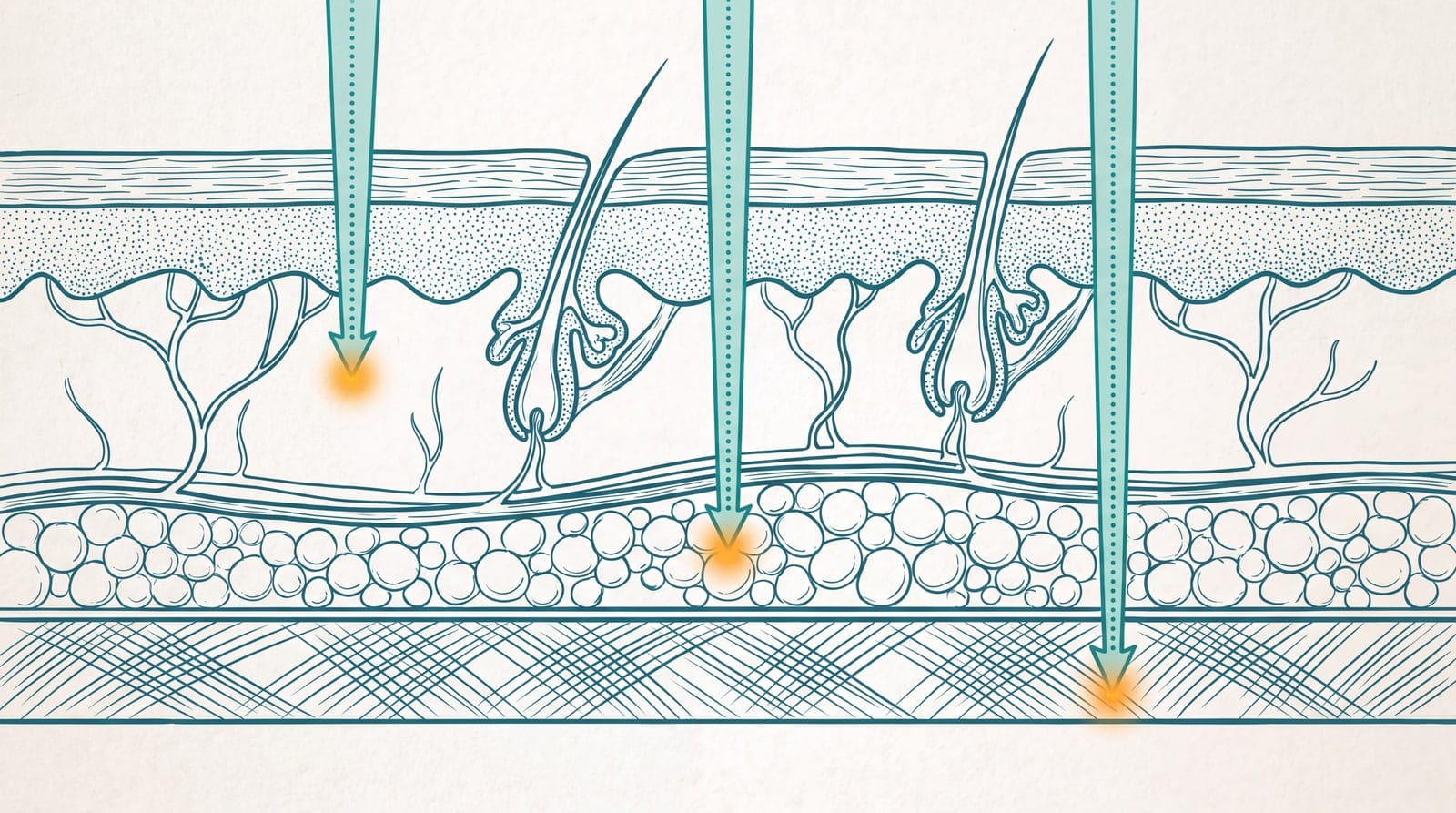
The working principle of this technology group is transmitting high-frequency ultrasound heat energy deep beneath the skin layers to stimulate the body's natural healing process to reorganize the subcutaneous tissues.
This is a program in the HIFU/MFU technology group that helps care for early skin laxity. It works by delivering heat beneath the skin to stimulate natural processes, making it ideal for those seeking consistent and cost-effective skin maintenance.
What Concerns Does the SuperLifting Program Help Address?
Got questions? Dr. Time offers personalized, honest consultations — no upselling.
Consult Dr. TimeI am often asked which areas of the face this program is most suitable for treating.
Generally, focused ultrasound technology is used to treat tissues that are beginning to lose firmness. The SuperLifting program is therefore designed for those who are starting their skin-maintenance journey or have mild sagging, focusing on cost-effectiveness and continuous care. The common areas of concern are as follows:
Sagging Cheeks and an Undefined Jawline
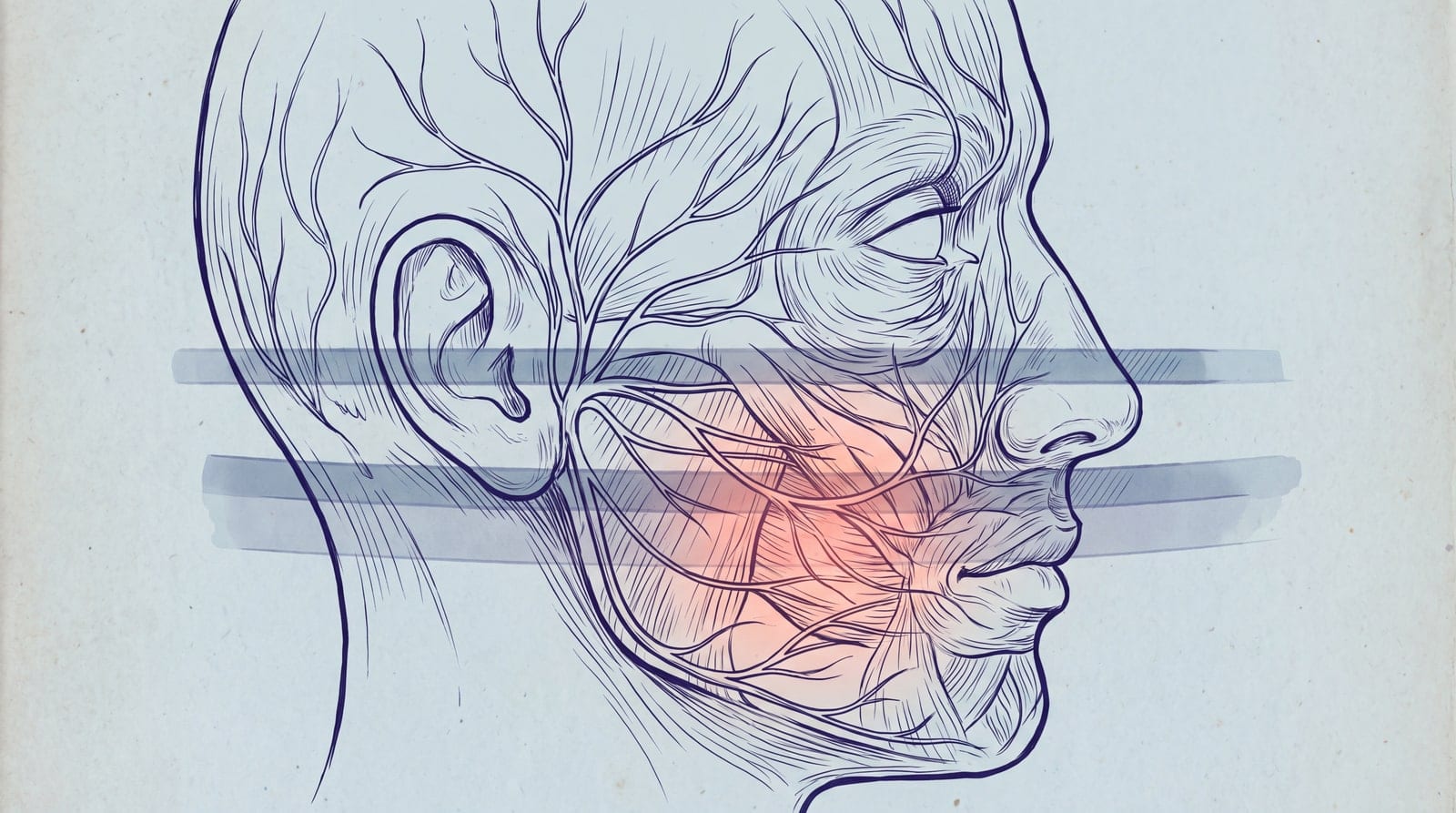
As the skin structure changes with age, the cheeks may begin to sag, causing the jawline to appear less defined. This technology delivers targeted energy points beneath the skin to stimulate tissue response in the treated areas. The observable results and the degree of improvement vary from person to person.
Double Chin or Sagging Skin Under the Chin
The area under the chin is another common spot where people notice a loss of firmness. However, a double chin is not caused by skin laxity alone; fat, bone structure, and the neck angle also play a role. Therefore, one should not expect HIFU/MFU to resolve every underlying cause.
If your jawline is starting to lose definition, I recommend identifying whether it is caused by skin laxity, excess fat, or facial bone structure first. Each cause requires a different approach, and some individuals may not be suitable candidates for this energy-based treatment.
Who is it suitable for? Who should avoid it?
Not every skin condition is suitable for this method. The key is to evaluate whether the main concern is truly caused by skin laxity or if there are other contributing factors.
Suitable Candidates
- Those who are starting to notice mild to moderate skin laxity.
- Those who want to consistently maintain the firmness of their jawline.
- Those who wish to avoid treatments involving incisions, stitches, or surgery.
Those Who Should Avoid or Consult First
- Those with open wounds or severe infections in the treatment area.
- Those who are pregnant or have medical implants in or near the treatment area.
- Those with severe skin laxity, for whom a surgical facelift might be more appropriate.
Do You Need to Wait Until You Reach a Certain Age?
There is no single age that fits everyone. It is better to assess skin characteristics, concerns, and individual limitations rather than relying on an age number. If there is no skin laxity that matches the program's mechanism, getting the treatment preemptively does not mean you will achieve greater benefits.
How Does the SuperLifting Program Compare to Radiofrequency (RF)?
Many people confuse focused ultrasound with radiofrequency (RF) treatments, wondering if they yield the same results. I would like to explain that the heat-delivery mechanisms of these two groups are quite different.
HIFU/MFU technologies use sound waves to create focused thermal coagulation points at specific depths corresponding to the device's transducers. On the other hand, RF uses radiofrequency energy to heat tissues. The pattern and depth of RF delivery vary greatly depending on the device type and handpieces used, so one should not assume that one technology is deeper or superior to the other in all cases.
| Comparison Aspect | HIFU/MFU Technology Group (e.g., SuperLifting) | Radiofrequency (RF) Technology Group |
|---|---|---|
| Energy Delivery Style | Delivers focused thermal points to targeted deep layers under the skin. | Heats tissues, with the pattern and depth depending on the device's system. |
| Primary Target | Focuses on tissue tightening and supporting the skin structure. | Targets vary by system; can be used for skin firmness or subcutaneous tissue care. |
| Suitability | Suitable for skin starting to sag and those wishing to define their jawline. | Must be determined based on the RF type, area of concern, and tissue characteristics. |
The Appropriate Number of Shots for Skin Care
Another question I often hear is: how many shots should be used for each treatment?
For the cheeks and double chin areas, using fewer than 200 shots may be insufficient in many cases to distribute the energy thoroughly. This is especially true when attempting a 'Second Layers' technique—applying energy across two different depths—where a limited shot count might prevent full coverage as planned.
However, the number of shots is not a one-size-fits-all figure. Facial size, degree of laxity, tissue thickness, and the specific areas needing focus all affect the plan. The key is not simply delivering a high volume of shots, but distributing the shots and choosing the right energy level tailored to each individual's face.
- 200 Shots: Suitable for targeting the main areas of the cheeks and double chin.
- 300 Shots: The quantity I recommend, as it provides more thorough coverage for both cheeks and double chin, and offers enough shots to implement the Second Layers technique.
How Many Days to See Results? How Long Do They Last?

This question cannot be answered with a single number because everyone's skin responds differently. However, we can use a general timeline to help set reasonable expectations.
The scientific reality of HIFU/MFU technologies is that the collagen remodeling process takes natural time. Therefore, the skin's response occurs gradually as follows:
- Initial Phase: Some individuals begin to feel tightness immediately after treatment, with results becoming progressively clearer within 1 to 3 months.
- Long-term: The general duration of results is about 6 months, depending on individual skin conditions and post-treatment care.
I would like to emphasize that individual results vary, and this information is not a guarantee of treatment outcomes, but rather a standard timeline of typical skin reactions.
Results and Reviews from Clients
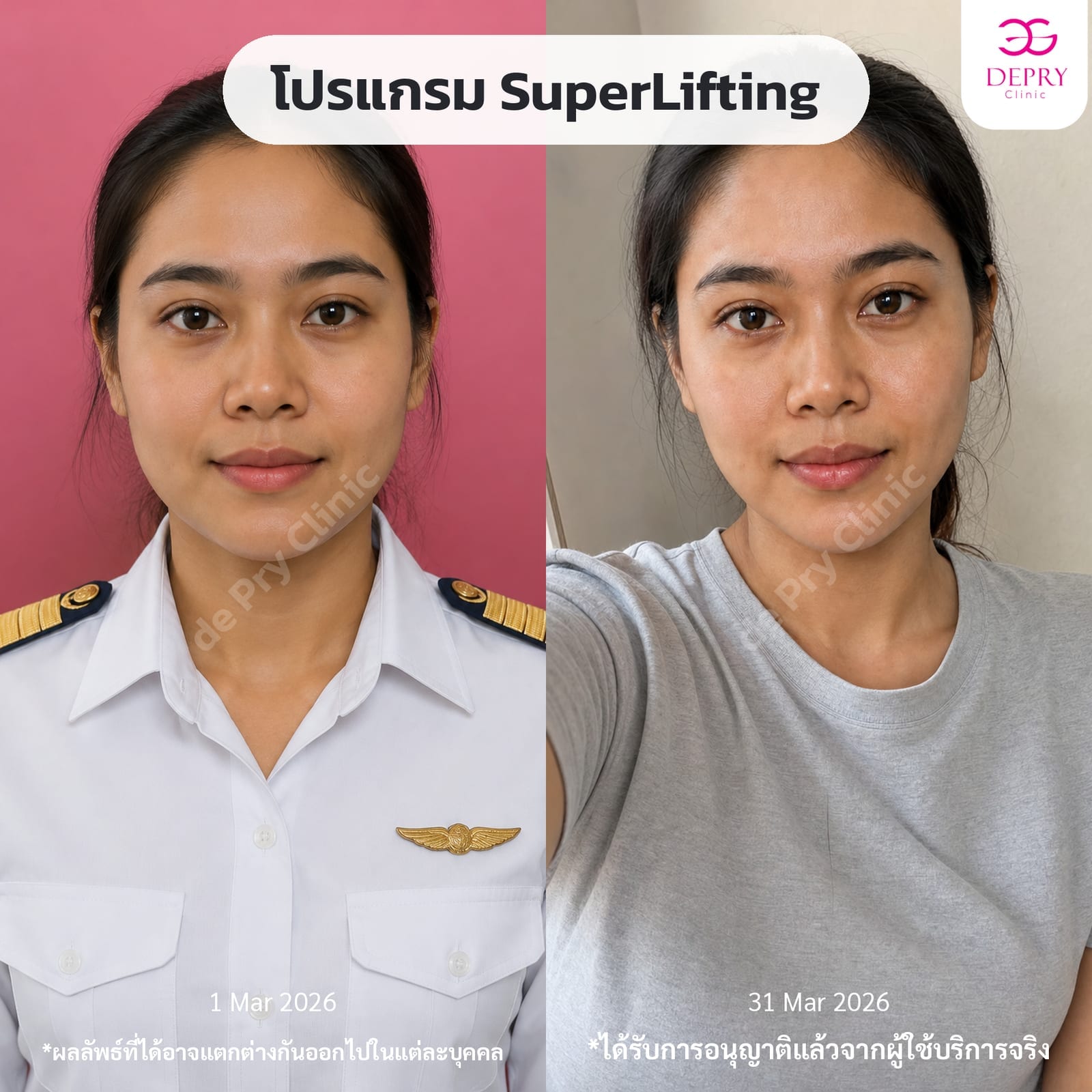
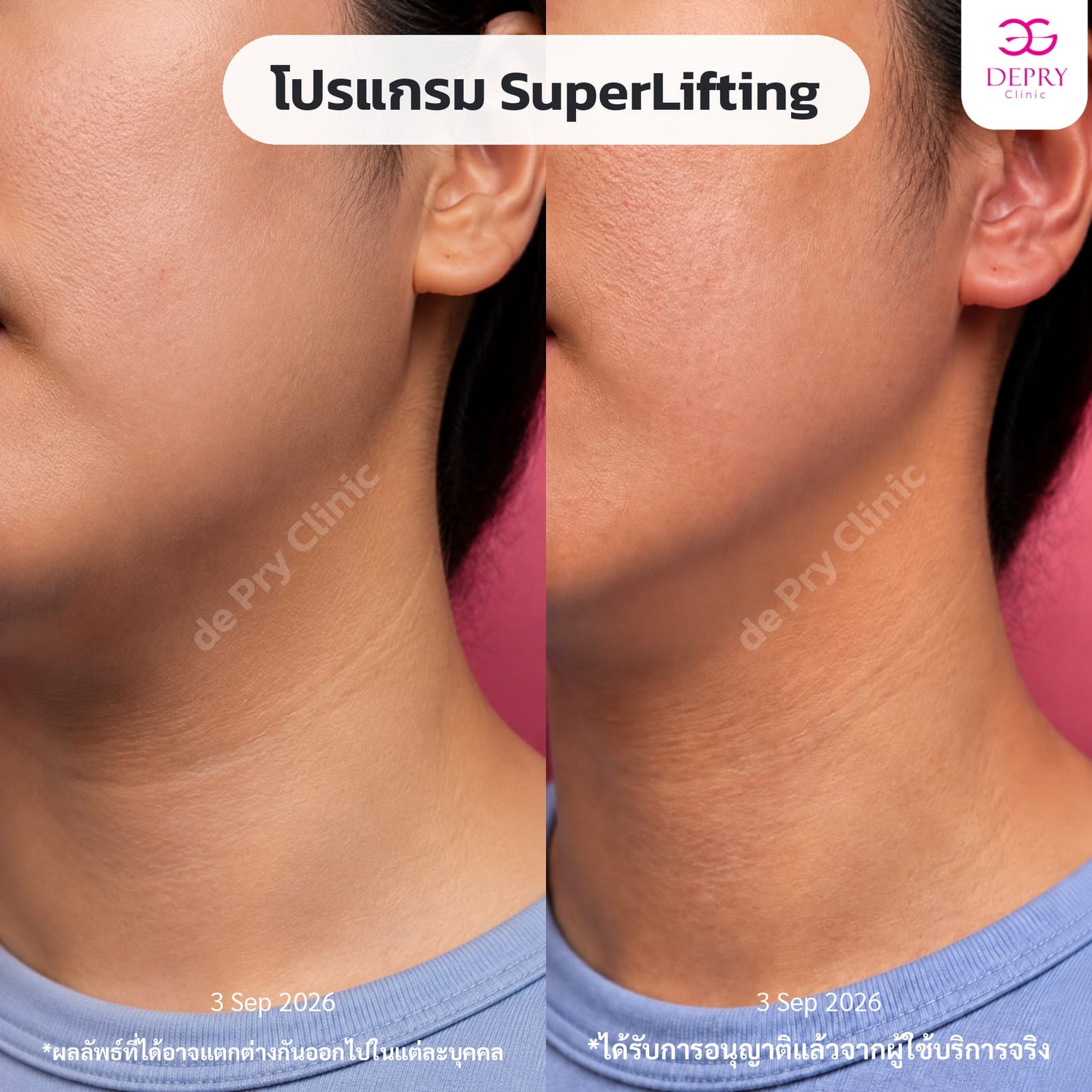
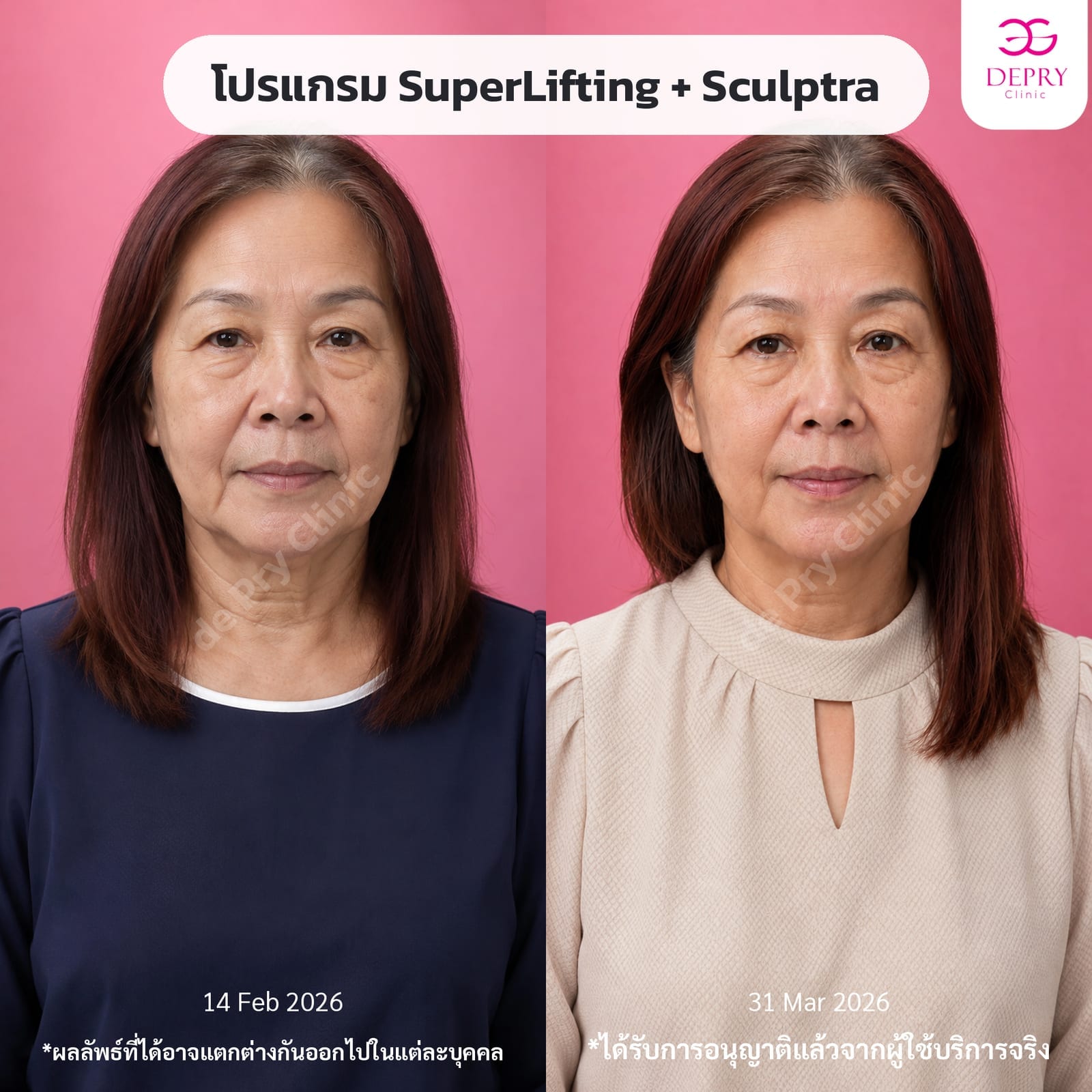
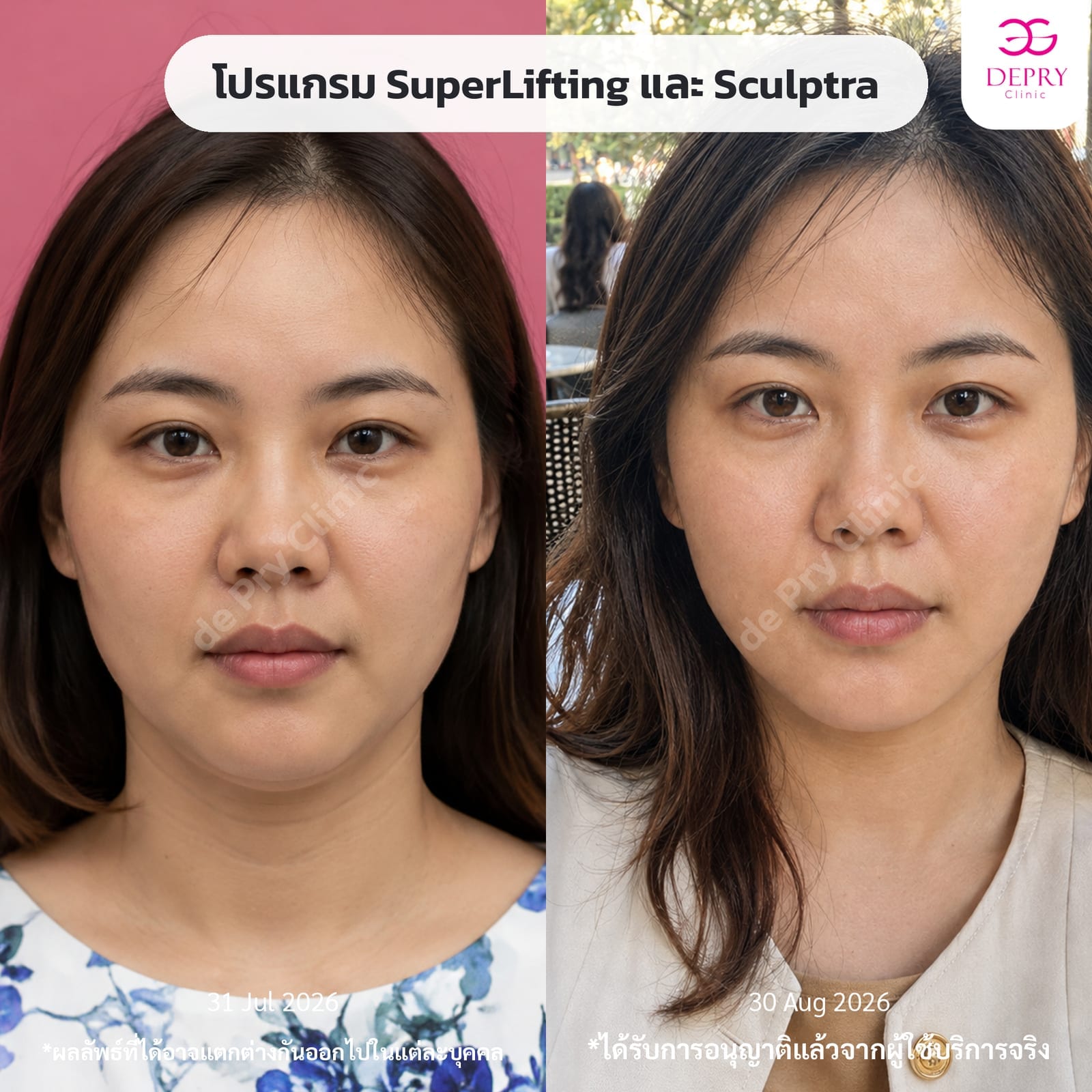
The following images are of actual clients who have consented to share their results. Outcomes can vary depending on skin condition, facial structure, and individual treatment plans. For cases combining multiple procedures, I have clearly noted them beneath the images to ensure they are not misunderstood as results from the SuperLifting program alone.
Does it Hurt? What Are the Side Effects?

It is completely understandable to feel anxious about pain or potential side effects. I want to explain directly that during the procedure, you may feel warmth, tightness, or mild prickling in certain spots. The intensity of these sensations varies by area, energy level, and individual sensitivity. Most importantly, pain should not be used as a metric to measure the efficacy of the treatment.
After the treatment, some individuals may experience mild redness, minor swelling, tightness, or tenderness under the skin when touched. These are usually temporary. We place great emphasis on pre-treatment skin assessment, precise mapping and energy levels, and post-treatment follow-ups to minimize any risks.
As for rare side effects, I would like to explain them so you know what steps to take, though it does not mean they will happen to everyone. If you experience any of the following symptoms, please contact the clinic for an assessment:
- Worsening or unusual pain
- Blisters or skin wounds
- Abnormally prolonged numbness
- Muscle weakness
Deep pain near the bone does not necessarily mean the energy has reached the correct layer, and intense post-treatment soreness does not guarantee better results. Getting a proper assessment and tailoring the energy levels to each specific area is far more important than pushing for excessively high energy.
How to Care for Yourself After the Treatment?
Post-treatment recommendations may vary depending on the device used, energy levels, and your skin condition. If you receive personalized advice, please follow that first. In general, the key guidelines are to care for your skin gently and monitor for any unusual symptoms.
- Protect your skin from the sun: Apply sunscreen with SPF 30 or higher daily, as your skin may be temporarily more sensitive to sunlight during this period.
- Moisturize: Nourish your skin with a gentle moisturizer to keep it hydrated and resilient.
- Avoid unnecessary skin disturbance: If your skin is still red or tight, refrain from scrubbing, rubbing, or using irritating products until these symptoms subside.
- Monitor symptoms: If you experience worsening pain, blistering, prolonged numbness, or muscle weakness, please contact the clinic.
Undergoing the SuperLifting Program in Phitsanulok - Depry Clinic
SuperLifting is the program name at Depry Clinic for treatments using HIFU/MFU technology. This article uses general data from this technology group to explain the underlying principles, rather than claiming research on a specific machine model as exclusive proof of this program's results.
When considering a HIFU program, I encourage you to look beyond just the program name or shot counts. Ask clearly what the objective is, whether your specific concerns match the machine's mechanism, and if your expected outcomes are realistic. For clients traveling from Phichit, Sukhothai, Uttaradit, Kamphaeng Phet, or Phetchabun, this same logical approach applies.
Frequently Asked Questions
1. How does the SuperLifting program differ from general HIFU?
The SuperLifting program is a treatment in the HIFU/MFU category at Depry Clinic. It is essentially a HIFU treatment rather than a newly branched technology. It is specifically designed for beginners starting their skincare journey or those with mild skin laxity, focusing on cost-effectiveness and continuous maintenance.
2. When do the results of the SuperLifting program start to show?
Some people start feeling a firming sensation immediately after treatment, with results becoming gradually clearer within 1 to 3 months, as tissue and collagen remodeling takes time. Individual skin responses vary.
3. What does the number of shots used in each treatment session depend on?
It depends on individual skin conditions, fat layer thickness, and the degree of skin laxity. A higher shot count is not always better; what matters is the proper energy settings and even shot distribution tailored to each specific area.
4. How long do the results of the SuperLifting program last?
The general duration of results is about 6 months, but this is not a guarantee. The actual duration varies based on skin condition, age, lifestyle habits, and individual responses.
5. Will someone with severe skin laxity see results from this program?
This program is designed for those beginning to experience mild to moderate skin laxity. If there is severe laxity or significant localized fat, the results may not be as prominent compared to other options, such as a surgical facelift.
6. What does it feel like during and after the treatment?
Sensations can range from warmth and tightness to mild tenderness under the skin, along with temporary redness or swelling. If you experience abnormal pain, blistering, numbness, or muscle weakness, please contact the clinic immediately for evaluation.
7. Who should inform the clinic of their medical history before the treatment?
You should disclose any medical conditions, current medications, pregnancy, internal medical implants, as well as recent facial procedures. The treatment should be postponed if there are open wounds or active infections in the area.
8. Is the research cited in the article directly about SuperLifting?
No. The references at the end of the article are clinical data on the broader HIFU/MFU/MFU-V technology group and the specific devices studied in those papers. They are used to explain general scientific principles and are not specific evidence for the SuperLifting program itself.
References
These are the sources and clinical research papers on HIFU/MFU/MFU-V technology used to compile this article (which serve as academic evidence for the technology group as a whole, rather than specific evidence for the clinic's SuperLifting program). Click to read the original publications:
- PubMed Central - Report on skin rejuvenation and clinical outcomes of the MFU technology group: pmc.ncbi.nlm.nih.gov
- PubMed - Efficacy and satisfaction analysis of skin tightening using focused ultrasound: pubmed.ncbi.nlm.nih.gov
- PubMed Central - Data and mechanism of action of HIFU technology in facial skin care: pmc.ncbi.nlm.nih.gov
- PubMed Central - Study on the efficacy and safety of high-intensity focused ultrasound tightening devices: pmc.ncbi.nlm.nih.gov
- US FDA - Registration and clearance documentation for this technology group from the United States Food and Drug Administration: accessdata.fda.gov
Written by
ดร.นพ.ณธธรรมภ์ โอภาอภิณัฐฏ์ (หมอธามน์)Clinic physician at de Pry Clinic, Phitsanulok · Thai medical license no. 56524