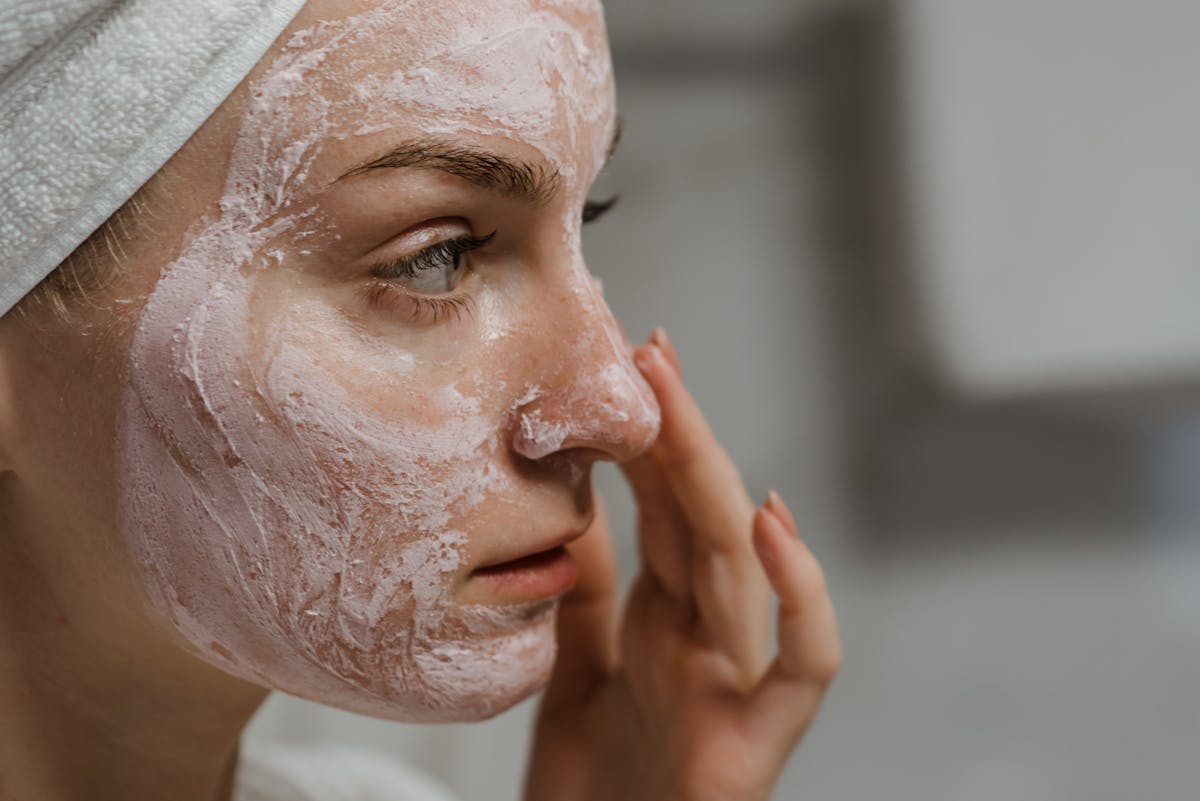
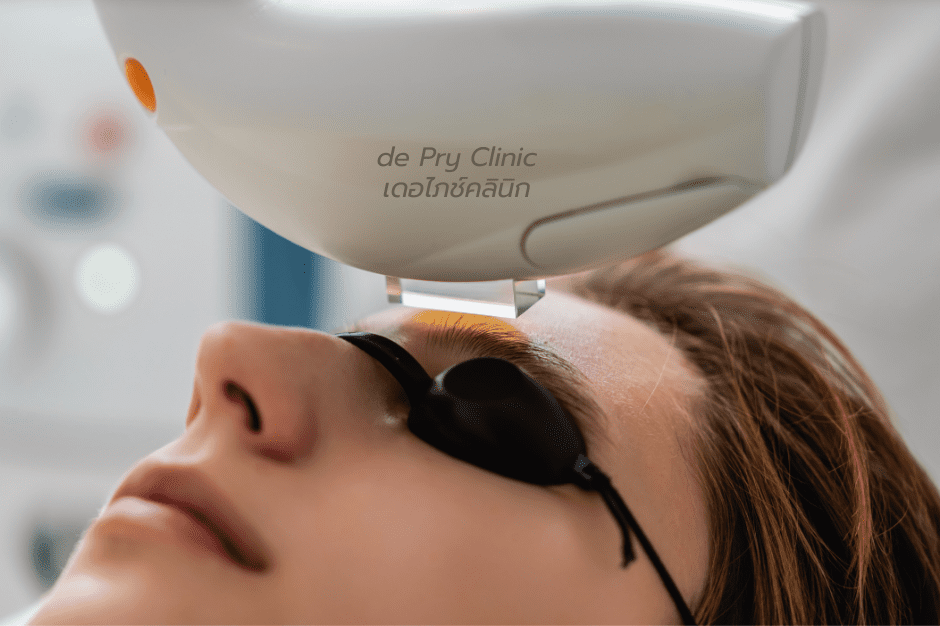
The results of Pico Laser don't end in the laser room. They're decided in the first 7 days at home. Skin that has just been treated with laser has a temporarily weakened protective barrier. Care for it correctly and your skin will turn as clear as you hoped; care for it wrongly and it may turn into dark PIH marks that take a long time to fade. The easy rule is just 3 words: sun protection — hydration — don't trigger inflammation.
Many patients come back and tell me with a worried tone, "Doctor, my face is covered in tiny scabs, is that normal?" or "I accidentally forgot sunscreen for just one day, will I get marks?" — I understand this feeling well, because we all invest both money and courage to make our skin clearer, so naturally we don't want it tripped up by small things that, in truth, can be prevented.
In this article, Dr. Time will explain it as if we were sitting down talking — what our body is actually doing after Pico Laser, and how we can help the skin "repair itself" to come out as beautiful as possible, based on principles supported by dermatological research, not just beliefs passed down from one person to another.
- Why are the first 7 days the most important? (Understanding what your skin is doing)
- What are dark PIH marks, and why does the doctor worry about this in particular?
- What you can do vs. what to avoid, from the first 24 hours to day 7
- Creams and sunscreen: the heart of aftercare that people overlook
- Food and activities: caring for your skin from the inside too
- Warning signs that mean you should come back to see the doctor right away
- Consult about post-laser skin care in Phitsanulok — Depry Clinic
- Frequently asked questions
- References and verification
Why are the first 7 days the most important? (Understanding what your skin is doing)
Let me paint a simple picture. Pico Laser works by sending out extremely high-speed pulses of light energy (on the order of a trillionth of a second) deep down to shatter the pigment beneath the skin into tiny fragments and to stimulate the skin to build new collagen. Even though it recovers far faster than older-generation lasers, during the first 5–7 days the upper layer of our skin is fully in "irritation and repair" mode.
What actually happens is that the skin barrier temporarily weakens, making the skin more sensitive than usual to sunlight, chemicals, and germs. It's during this very period that "how you care for it at home" affects the look of your results just as much as the skill of the laser treatment itself. That's why I always tell patients: my work ends in the clinic, but your work has only just begun at home — and we can do it together, it's not hard.
Skin after Pico Laser needs only 3 things: (1) strict sun protection (2) replenished hydration with gentle products (3) avoiding everything that triggers inflammation, both on the skin and inside the body. If you can remember these 3 points, you're already halfway through beautifully.
What are dark PIH marks, and why does the doctor worry about this in particular?
Got questions? Dr. Time offers personalized, honest consultations — no upselling.
Consult Dr. TimeA term I'd like you to get to know is PIH (Post-Inflammatory Hyperpigmentation), or "dark marks following inflammation" — these are the dark spots that appear after the skin becomes inflamed or injured, and this is the reason I stress post-laser care so much in particular, because the mechanism is straightforward: the more inflamed the skin, the greater the chance of dark marks, and they tend to be more pronounced and slower to fade in people with darker skin (which is most of us Thais, really).
The good news I'd like to reassure you with is this — most PIH can be prevented, and it isn't caused directly by the laser itself, but by "the inflammation we let happen after treatment," such as harsh sun exposure, picking at scabs, or using strong skincare too soon. Medical review documents clearly state that avoiding sunlight and reducing irritation is the heart of preventing PIH[1], and there is a pooled comparative study (systematic review & network meta-analysis) specifically examining methods to prevent post-laser dark marks, which found that physician-tailored approaches for each individual — such as anti-inflammatory topical agents or tranexamic acid — may help more than relying on sunscreen alone in some cases[2] — which is precisely why having a doctor assess your skin on an individual basis matters, rather than following one identical formula for everyone.
Walking through it day by day: your skin's first 7 days, through the doctor's eyes
When a patient gets up from the laser bed, the question I encounter most often isn't "what can I do?" but rather a worried look that says, "will I be able to remember all the rules, doctor?" — I understand that well, because the internet often hands out lists so long they're frightening. So I'd like to invite you to look at it anew: in truth there's really only one principle, which is "don't go disturbing skin that's repairing itself just yet". The rest are just details that follow on their own. Let me tell you about it stage by stage, as if we were walking through it together.
The first 24 hours — let your skin rest
On the first day your skin is like someone who's just finished a marathon — it simply wants to lie down and rest. During this time I ask only that you "don't go meddling with it just yet." If it feels hot and tight, use a clean cloth dampened with cold water to gently compress it in spells. Drink water, get rest, and if your face is a little swollen, try sleeping with one extra pillow to raise your head. That's enough. As for washing your face, putting on makeup, contact with hot water, or wiping with alcohol-containing wet tissues — please postpone those for now, because they amount to "waking up" skin that has just fallen asleep.
Days 1–3 — back to life, but be gentle with your skin
Once you've made it past the first day, you can return to almost normal life. You can wash your face with room-temperature water and a gentle cleanser, apply the moisturizer and sunscreen I recommend, and go about your work comfortably. The only thing I ask is that you don't get impatient and want to "speed up exfoliation" — because this is where many patients slip up, reaching for retinol, concentrated vitamin C, or AHA/BHA acids in their wish to be clear quickly, when in fact it goes back to triggering inflammation. And heavy exercise that leaves you drenched in sweat, saunas, and steam rooms should also be set aside for now, for the same reason: "heat = inflammation."
Days 4–7 — gradually returning to normal
During this period your skin starts to grow stronger, and the tiny scabs (if any) begin to flake off one by one. You can gradually return to your normal skincare as the doctor permits, and if your skin is no longer red, you can wear light makeup. But the stars of the show — retinol and exfoliating acids — please wait until your skin has fully stopped being red. The same goes for facials, facial spas, or repeat laser treatments — good things can wait, just make sure your skin is truly ready.
I've summarized all three stages in the table below, in case you'd like to glance at it quickly during the day, but I'd like you to remember the heart of it as simply: the less you disturb the skin, the better it can repair itself. And don't forget that the level of care depends on the "mode" you had done too — a toning mode that leaves the skin only lightly pink recovers faster than an intensive mode with spots that scab over. I will always tailor my advice to your actual skin, never lumping everyone into the same formula.
| Time period | ✅ Can do with peace of mind | 🚫 Please postpone for now |
|---|---|---|
| 0–24 hrs | Cold compress with a clean cloth in spells if it feels hot, rest, drink water, sleep with head raised if swollen | Washing your face (wait 12–24 hrs), scrubbing/harsh rubbing, alcohol-containing wet tissues, makeup, contact with hot water |
| Days 1–3 | Wash face with room-temperature water + gentle cleanser, apply moisturizer + the sunscreen the doctor recommends, normal daily life | Retinol/AHA/BHA, concentrated vitamin C, heavy exercise, sauna–steam room, picking at scabs |
| Days 4–7 | Gradually return to normal skincare as the doctor permits, light makeup if skin is not red | Retinol/exfoliating acids (wait until skin is fully no longer red), facials/facial spas/repeat laser |
As for the small thing I see patients slip up on most often, it's "how to wash your face." During this period, don't wash the old way where you'd scrub yourself squeaky clean. Just use room-temperature water and a gentle, pH-balanced cleanser without fruit acids, alcohol, or fragrance, gently stroke with your fingertips for about 10–20 seconds, then blot (not rub) dry with a clean cloth. Think of it as caring for a baby's skin, and your hands will become gentle automatically.
I understand it's annoying and you so badly want to scratch, but picking or pulling off scabs yourself is a shortcut to dark PIH marks and scarring. The tiny scabs, like coffee grounds, will fall off naturally on their own within 7–14 days. Just be patient a little longer — new skin is forming underneath.
Creams and sunscreen: the heart of aftercare that people overlook
Moisturizers suited to skin after laser
You can start applying after you're able to wash your face and the skin no longer has weeping fluid. Choose a formula focused on "barrier repair" for sensitive skin, with no fragrance, no alcohol, and no exfoliating acids. Ingredients I like to recommend include Ceramide, Panthenol (B5), Centella/Madecassoside, which help repair the skin barrier and reduce inflammation well. As for prescribed topical medications (such as antibiotics or mild steroids), use them only as the doctor instructs — don't buy more on your own.
Sunscreen: if I could choose only one thing to do, I'd choose this
Let me genuinely rank the importance for you — among all the steps, "sunscreen" is the one with the strongest medical evidence that it helps prevent dark marks[1], because sunlight is the clearest trigger of PIH. You can start applying once 12–24 hrs have passed and the skin is properly dry:
- Choose SPF 30–50 or higher, with a PA+++ or PA++++ rating, a physical/mineral formula (zinc oxide/titanium dioxide) or a hybrid free of alcohol and fragrance — mineral formulas are gentler and don't sting freshly treated skin
- Apply every morning even if you don't go outside, and reapply every 2–3 hours if you're outdoors
- In the first 1–2 weeks, add a wide-brimmed hat or umbrella, and avoid harsh sun between 10:00 a.m. and 3:00 p.m.
If your skin is still red or has scabs, I recommend relying mainly on "sun avoidance" with a hat or umbrella first, then applying sunscreen with a light hand, so you don't have to rub skin that's still delicate.
Food and activities: caring for your skin from the inside too
Many people don't realize that what we eat and do during this period also affects recovery.
- Drink enough water, about 8–10 glasses a day, to help keep skin hydrated from within
- Focus on protein and vitamin C from natural sources, such as oranges, guava, tomatoes, eggs, and fish, to help repair tissue
- Avoid in the first 2–3 days: very spicy food, very salty food, fermented food, and alcohol, because they trigger inflammation and make the face redden and swell more easily
- Avoid these activities: heavy exercise/heavy sweating in the first 24–48 hrs, and saunas, steam rooms, and very hot baths in the first 3–7 days, because heat and sweat directly trigger inflammation
Warning signs that mean you should come back to see the doctor right away
Overall, Pico Laser is safe and serious side effects are uncommon, but I'd like you to get to know the "warning signs" so you can rest assured about what's normal and what should be checked promptly — because prompt care greatly reduces the chance of permanent marks:
- Pain, swelling, and hot redness that keep increasing instead of gradually improving
- Pus, blisters, or an abnormally wide open wound
- An accompanying fever
- A spreading itchy rash, or suspected allergy to an applied product
If you encounter any one of these, don't hesitate at all — contact the clinic or see a doctor right away. I always emphasize that a small question that puts your mind at ease is better than keeping the worry to yourself.
Consult about post-laser skin care in Phitsanulok — Depry Clinic
At Depry Clinic, Phitsanulok, Dr. Time cares for patients with individual follow-up, from before the Pico Laser treatment all the way through the recovery period at home, because the doctor believes good results come from continuous care, not just the day of the laser. If you have questions after treatment, or would like help assessing your skin before deciding, message us to talk with us anytime. We're glad to care for you like family.
Frequently asked questions
When can I wash my face after Pico Laser?
Hold off for at least 12–24 hours first, then wash with room-temperature water and a gentle cleanser free of fruit acids, alcohol, or fragrance, stroking gently and then blotting dry — don't rub. If you had an intensive mode, follow the doctor's individual appointment instructions.
Why can't I pick at scabs?
Because picking before it's time is one of the leading causes of dark PIH marks and scarring. The tiny scabs will fall off on their own within 7–14 days. Our job is to keep the skin hydrated and protected from the sun.
How important is sunscreen?
It's the most important thing, because UV is the clearest trigger of post-laser dark marks. Apply a mineral SPF 30–50+ PA+++ or higher every morning and reapply if you go out in the sun, together with a hat/umbrella in the first 1–2 weeks.
How many days until I can wear makeup?
Skip makeup for the first 24–48 hours. After that, if your skin isn't red and there are no open scabs, you can gradually return to light makeup as the doctor permits.
Which skincare should I avoid?
Avoid retinoids, AHA/BHA, scrubs, concentrated vitamin C, and toners with alcohol/fragrance for at least 5–7 days, then return to them one at a time once your skin is no longer red.
Can dark PIH marks be prevented?
Very much so, with the principle of "strict sun protection — no picking at scabs — avoiding things that inflame the skin." And if marks do start to appear, the doctor has approaches to help them fade — no need to panic.
Can I exercise/use a sauna?
Avoid heavy exercise in the first 24–48 hrs, and skip saunas/steam rooms/very hot baths in the first 3–7 days, because heat and sweat trigger inflammation.
What kind of situation needs urgent medical attention?
Pain, swelling, and hot redness that keep increasing, pus, blisters, fever, or an abnormally wide wound — see a doctor right away. It's uncommon, but prompt care helps reduce permanent marks.
References and verification
I'd like you to be able to verify the information I use yourself. Here are the main medical references:
- StatPearls (NCBI Bookshelf) — Postinflammatory Hyperpigmentation: mechanism, risk factors, and principles of prevention (avoiding sunlight and reducing inflammation). ncbi.nlm.nih.gov/books/NBK559150
- Systematic review & network meta-analysis comparing methods of preventing dark marks (PIH) after laser treatment. pmc.ncbi.nlm.nih.gov/articles/PMC12997392
- DermNet — dermatological reference information for Postinflammatory hyperpigmentation and post-procedure skin care. dermnetnz.org
- American Academy of Dermatology (AAD) — recommendations on protecting skin from the sun and post-laser care. aad.org
This article provides information for general understanding, not an individual diagnosis. The care most suitable for your skin should be under the assessment of the doctor who performs your procedure directly.