

- "I keep hearing about NAD+ — what exactly is it?" — Let me explain
- What NAD+ is (explained so you don't need to be a doctor to get it)
- What roles NAD+ plays in our cells
- Why NAD+ levels decline with age
- How IV Drip works, and how it differs from taking it orally
- Who might be suited to it, and who should consult first
- Let me be straight: what NAD+ can do and what's still unproven
- Consult about NAD+ IV in Phitsanulok — de Pry Clinic
- Frequently asked questions
- References and verification
NAD+ (Nicotinamide Adenine Dinucleotide) is a coenzyme present in every cell, with key roles in converting food into energy, repairing DNA, and signaling within cells. Research has found that NAD+ levels tend to decline with age. IV Drip delivery means topping it up directly through the bloodstream. I have to be honest that the data on its effectiveness in humans is still limited. NAD+ IV is not a treatment for disease and is not a magical anti-aging cure — it is one option for self-care that should be done under a doctor's assessment. In this article, Dr. Time will walk you through it honestly.
"I keep hearing about NAD+ — what exactly is it?" — Let me explain
Lately more and more patients have been asking me, "Doctor, what is this NAD+ that celebrities and famous people abroad keep talking about? Does it really keep you from aging?" I understand the curiosity well, because NAD+ gets talked about a great deal online — sometimes so exaggerated that it sounds like a miracle drug.
So I'd like to sit down and explain it to you straightforwardly: what NAD+ actually is, what it does in our bodies, what science already knows, and what is still just a hope awaiting proof. Because I believe you deserve honest information before you decide, not pretty advertising copy.
What NAD+ is (explained so you don't need to be a doctor to get it)
Got questions? Dr. Time offers personalized, honest consultations — no upselling.
Consult Dr. TimeImagine the cells in our bodies as millions of tiny factories that need a "helper" to do their work every day. NAD+ (Nicotinamide Adenine Dinucleotide) is one of those important helpers. It is a coenzyme present in every cell, and it takes part in hundreds of chemical reactions in the body.
NAD+'s most prominent role is helping to "turn the food we eat into energy" that cells can use. Simply put, it's like an indispensable cog in the cell's energy production line. That's why many people call it the "fuel" of cells — even though, technically, it's more of a helper than a fuel itself.
What roles NAD+ plays in our cells
If a patient asks me, "So what does NAD+ actually do?", I'll summarize three main roles that cell-biology research often talks about, to give you a clear picture.
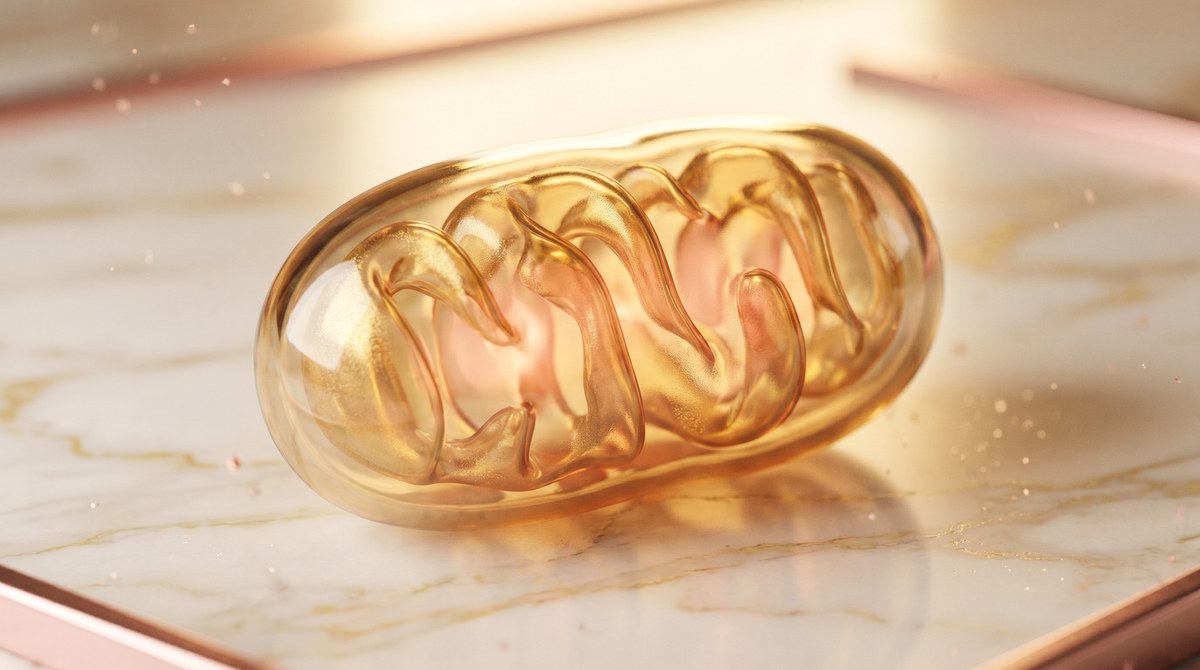
- Generating energy at the cellular level — helping the process by which mitochondria (the cell's power plants) convert nutrients into energy
- Repairing DNA — being part of the system the cell uses to maintain and repair its genetic material
- Signaling within the cell — involved in the function of a group of proteins that maintain cellular balance and responses
The fact that NAD+ plays an important role in cells does not mean that "topping it up will instantly improve everything." The body is a complex system. A role in the laboratory and the actual effect in humans are two different things that require proof. I'll talk about this in the sections that follow.
Why NAD+ levels decline with age
One thing aging research generally agrees on is that NAD+ levels in the body tend to decline as we get older, because the balance between its production and use within cells shifts with age. This is one reason NAD+ has become a hot topic in research on health and self-care.
But I'd gently caution you that "levels declining with age" does not mean "topping it back up will turn back time." These are two different things. Drawing that direct connection is something science still cannot prove in humans. So I'd like you to see it as "caring for one factor" rather than fixing your age.
How IV Drip works, and how it differs from taking it orally
NAD+ IV Drip means delivering NAD+ directly into a vein. The difference from taking oral supplements is that intravenous delivery doesn't have to pass through digestion and absorption in the digestive tract first, so the body receives it in a different form.
I want you to understand that every kind of IV is a medical procedure — not just a casual "vitamin drip for fun." It must be done in a medical facility, by a team that assesses you beforehand, watches the rate of delivery, and monitors for symptoms. Giving NAD+ too quickly can cause discomfort, so having a doctor's supervision is important. It's not something you should go and do just anywhere.
NAD+ IV is a procedure that must always be assessed by a doctor first — for suitability, dosage, and individual contraindications. I've written about safety and precautions separately in the article Is NAD+ IV Safe? Side Effects and Who Should Not Have It. I recommend reading it before you decide.
Who might be suited to it, and who should consult first
People who tend to be interested in NAD+ IV are often those who feel chronically fatigued, don't get enough rest, work their bodies and minds hard, or are people focused on preventive health care who want to try new options for looking after themselves.
But I have to tell you honestly that it isn't right for everyone. People with certain underlying conditions, those who are pregnant or breastfeeding, or those with a history of allergies should always consult a doctor first. As for the details of who should avoid it, I've written it all out in the article on safety. If you'd like to know what NAD+ can help with according to the evidence, you can read on at What NAD+ IV Can Help With, As Far As the Evidence Goes.
Let me be straight: what NAD+ can do and what's still unproven
I'd like to close with honesty, because NAD+ is something that gets exaggerated very often. So I'd like you to be able to tell the difference.
What has a scientific basis
- NAD+ is an important coenzyme in every cell (a biochemical fact)
- Levels tend to decline with age (supported by research)
- It is involved in energy production and cell repair
What still requires proof in humans
- That topping up NAD+ will "reverse aging" or extend lifespan (still unproven)
- Treating or preventing various diseases (not an indication)
- The "best" dose and frequency for each individual
- NAD+ = a coenzyme in every cell, helping with energy, DNA repair, and cell signaling
- Levels decline with age — but "topping it back up" does not equal "reversing aging," and the effects in humans are still limited
- IV is a medical procedure that must always be assessed by a doctor first; it is not a treatment for disease
Consult about NAD+ IV in Phitsanulok — de Pry Clinic
At de Pry Clinic, Phitsanulok, Dr. Time begins by taking your history and assessing your health, then explains honestly what NAD+ is, what you can and cannot expect, and what precautions there are. I don't sell false hope — I want you to make your decision based on honest information.
Many patients travel from Phichit, Sukhothai, Uttaradit, Kamphaeng Phet, and Phetchabun to consult about preventive health care. I'm glad to be a trusted advisor close to home for you.
If you're interested in finding out whether NAD+ IV is right for you, I'd like to invite you to come in for a free assessment consultation. You can see package details and the latest pricing at the clinic's NAD+ IV Therapy page.
Frequently asked questions
I've gathered the questions patients ask most often about NAD+ and answered them at the top of this page. If you still have questions specific to you, feel free to message Dr. Time directly.
References and verification
Here are the sources I've used as references on NAD+. Click to read the originals if you'd like to verify them:
- PubMed (academic review, 2021) — the role of NAD+ in cellular processes and its links to aging: pubmed.ncbi.nlm.nih.gov
- U.S. FDA — Consumer Updates — advice to be wary of exaggerated marketing claims for health products and procedures: fda.gov
- Thai FDA (Food and Drug Administration) — check product registration and safety information in Thailand: oryor.com