
- What Is Under-Eye Filler, and Why Are People Interested?
- Which Under-Eye Problems "Filler Can Help" — and Which It "Cannot"
- Dark Under-Eye Circles — First Figure Out What's Causing the Darkness
- Why the Under-Eye Area Truly Requires a "Skilled Doctor"
- Which Type of Filler Is Right for the Under-Eye Area?
- Realistic Results — How Many Days Until You See Results, and How Long It Lasts
- Who's Suitable, Who Should Avoid It?
- Under-Eye Filler in Phitsanulok — Depry Clinic
- Read More — Related Filler Topics
- Frequently Asked Questions
- References and Verification
"Under-eye filler" works best for structural problems — namely a deep, sunken tear trough and hollow/sunken under-eyes that make you look tired — by adding volume to make the groove shallower, so the shadow that falls into it fades and the face looks fresher. But if your darkness comes from pigment or from blood vessels showing through thin skin, filler will help very little, and you'll need a different approach. In this article, Dr. Time will help you figure out "what kind of under-eye problem you have, and whether filler is truly right for you" in the easiest-to-understand way possible.
What Is Under-Eye Filler, and Why Are People Interested?
Many people wake up, look in the mirror, and think, "Why does my face look so tired and worn out, even though I slept plenty?" Look closer and you'll see grooves under the eyes and dark shadows, as if you never rest. I understand that feeling well, because the under-eye area is a small spot that affects "the freshness of the whole face" far more than you'd think.
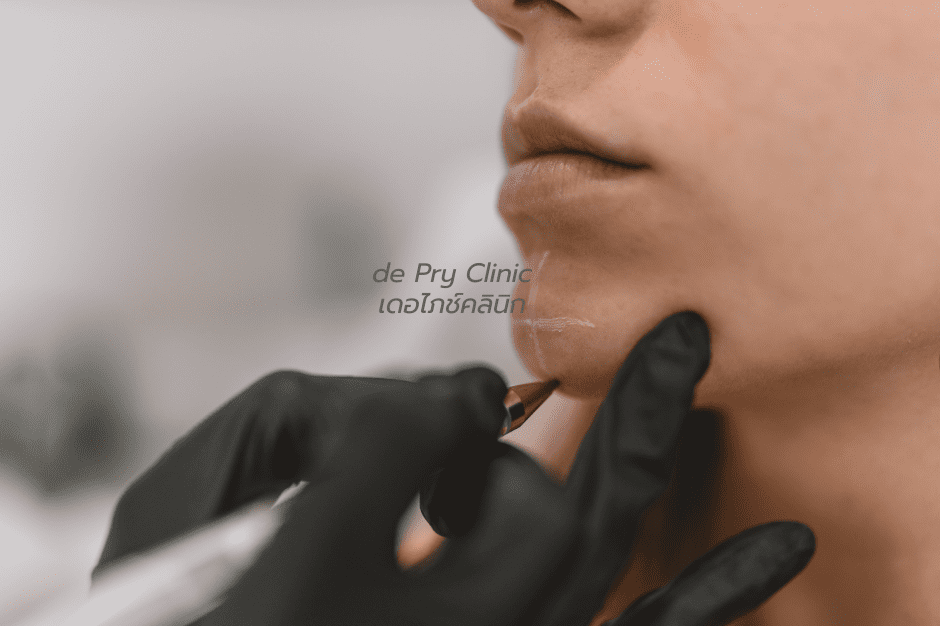
"Under-eye filler" means injecting a filler material into the under-eye groove that doctors call the tear trough (the groove that runs from the inner corner of the eye down toward the cheek), to fill in the part that has sunken or hollowed out. Once the groove becomes shallower, the light that used to fall in and form a dark shadow spreads more evenly, so the under-eye area looks brighter and smoother.
But before we go any further, I'd like us to agree on one thing first, which is the heart of this whole article — everyone's "under-eyes" have a different kind of problem, and filler doesn't help every kind. Knowing what kind of problem you have is the first step toward making the right decision and not being disappointed.
Which Under-Eye Problems "Filler Can Help" — and Which It "Cannot"
Got questions? Dr. Time offers personalized, honest consultations — no upselling.
Consult Dr. TimeLet me speak frankly, as a doctor who wants you to get real results, not just to sell you something — under-eye filler is not the answer to every under-eye problem. It's excellent at one thing, but there are things it can't help at all. Let me lay it out clearly.
Cases Where Filler Helps Well (Structural Problems)
- A deep, sunken tear trough — you see a clear groove running from the inner corner of the eye, and because a shadow falls into it, it looks dark. Filling the groove to make it shallower makes the shadow fade and the area look brighter.
- Hollow/sunken under-eyes — for some people the under-eye area flattens with age or facial structure, making them look gaunt and tired. Filler restores volume so it looks full again.
- A stepped boundary between the under-eye and the cheek — when this edge is sharp it looks tired. Smoothing it into a continuous transition makes the area look smoother and more youthful.
Cases Where Filler Can't Help (Other Methods Needed)
- Darkness from pigment — a brown discoloration from pigment in the skin itself, not from a deep groove. Adding filler doesn't address the root cause.
- Darkness from blood vessels — the under-eye skin is so thin that the blood vessels beneath show through as a purplish or bluish tint. Filler doesn't make those vessels disappear.
- Bulging under-eye fat pads — if there are fat pads protruding (not just a deep groove), adding filler may make it look even puffier. This group usually needs to consider a different approach.
- Morning fluid puffiness under the eyes — it comes and goes depending on your rest and the saltiness of your food. This isn't a job for filler.
| Under-Eye Appearance | True Underlying Cause | Can Filler Help? | Suitable Approach |
|---|---|---|---|
| Deep, sunken tear trough with a shadow | Sunken structure / lack of volume | Helps well | Soft HA filler |
| Hollow under-eyes, gaunt and tired-looking | Volume lost with age / facial structure | Helps well | Soft HA filler |
| Brown discoloration (pigment) | Pigment beneath the skin | Can't address the cause | Pigment/skin care — needs assessment |
| Purplish/bluish darkness | Blood vessels showing through thin skin | Can't address the cause | Skin-care approach — needs assessment |
| Heavily bulging under-eye fat pads | Protruding orbital fat | May look puffier | Consider a different approach |
Under-eye filler is great at "filling grooves and adding volume" — not at "erasing pigment" or "making blood vessels disappear." If someone tells you that an injection of filler clears up every kind of under-eye darkness, be skeptical, because the truth is that it "depends on what's causing the darkness" — and that's something a doctor must always examine first.
Dark Under-Eye Circles — First Figure Out What's Causing the Darkness
On the topic of "dark under-eye circles," let me go into a little more detail, because it's the question people ask most, and it's where many people end up disappointed if they choose the wrong method. The truth is that dark under-eyes don't have a single cause — they usually come from several things mixed together. Let me invite you to observe yourself in a simple way like this:
- Try gently pulling the under-eye skin downward in front of the mirror — if the darkness "fades" when you stretch the skin, it's likely coming from blood vessels or from the shadow of a groove. This group has a chance of being helped by filler (if it's a shadow from a groove).
- If the darkness stays the same brown color no matter how you stretch the skin — it's usually pigment, which filler doesn't address at the root.
- Try tilting your face up toward the light — if the darkness "disappears" when light falls fully on the under-eye area, it means the darkness is a "shadow" falling into a groove. This is the group that filler genuinely helps.
International textbooks place a lot of importance on this assessment, because the mechanisms behind "dark under-eye circles" can be many — pigment, blood vessels, structural shadows, and thin skin. Effective treatment therefore has to "target the right cause" rather than using the same method for everyone. That's why I always take time during the consultation to carefully examine your under-eyes first, to see whether filler is the right answer for you.
If I assess your under-eyes and find that the darkness comes from pigment or blood vessels rather than a deep groove, I'll tell you frankly that "filler may not be the best answer for you," and we'll talk through other options. Choosing not to inject in cases that shouldn't be injected is simply another way of taking care of you.
Why the Under-Eye Area Truly Requires a "Skilled Doctor"
If anyone asks me which area of the face you must be "most careful with" when injecting filler, I can answer right away: the under-eyes, because it's one of the most delicate spots. Let me explain why in an easy-to-understand way.
- The thinnest skin on the face — the under-eye skin is very thin, so small mistakes show easily. If it's injected too shallow or too much, it shows up as a lump, an edge, or a bluish tint (the so-called Tyndall effect).
- Many blood vessels lying close to the surface — the under-eye area has dense blood vessels, so injecting in the wrong spot bruises easily, and most importantly, if filler gets into a blood vessel it can affect vision — a serious complication.
- Prone to fluid retention — the under-eye tissue holds water easily, so if the type or amount of filler isn't right, it can puff up into a pouch that lingers for a long time.
This is why the worldwide recommendation is to inject the under-eye area with a blunt-tip cannula with a rounded end, to reduce the chance of hitting a blood vessel, to inject in the correct layer, and to use small amounts gradually. Detailed work like this isn't about speed or being cheap — it's purely about understanding the anatomy and the calmness of the person injecting.
Because the under-eye area is high-risk, the injection should be done by a doctor who understands the structure of this area, uses genuine, verifiable filler, and is ready to handle complications if they arise. A good HA filler has the advantage that it "can be dissolved" with an enzyme if necessary — but this is only safe in the hands of a doctor who can truly provide care, not a shop where, once the injection is done, you can't reach them again.
Which Type of Filler Is Right for the Under-Eye Area?
The filler suited to the under-eye area is the HA (Hyaluronic acid) group with a texture that is soft, highly flexible, and has a low stiffness value (G-prime). Let me explain G-prime in plain terms — it's the "firmness of the filler's texture." High-G-prime filler (firm texture) is designed to fill spots that need to support structure, such as the chin, cheekbones, and nose bridge. The under-eye area, with its very thin skin, needs the opposite: a "soft, blending" texture that doesn't form a lump when you smile or move.
If you take a firm chin filler and inject it under the eyes, the result is puffiness, lumps, edges, and an unnatural look — which is the most common reason people fear under-eye filler, when in truth the problem is "choosing the wrong type," not the filler itself. Choosing the right type and amount for each person's under-eyes is therefore work that a doctor must assess.
If you'd like to understand the basics of what HA filler is, how it works, and how it differs from other types of filler, I recommend reading the article What Is HA Filler for more. Here, we'll focus mainly on the "under-eyes."
Realistic Results — How Many Days Until You See Results, and How Long It Lasts
I want you to see the "real" picture, not the picture in advertisements, because expectations that match reality are what make people most satisfied with the results.
- From the day of injection — you'll see the volume that was added; the once-deep groove will look shallower right away (this part is fast, on the level of visible within 3 seconds after it's smoothed into place), but during this period there may be a little puffiness or bruising mixed in, which is normal.
- The first 3–7 days — any puffiness and bruising will gradually subside, and the under-eyes will start to look more and more natural.
- Around 1–2 weeks — the result "settles" and truly takes its shape. This is when you see your true final result.
As for longevity, under-eye HA filler generally lasts around 9–18 months depending on the type of filler, the movement of the area, and each person's body. After that it gradually breaks down naturally on its own — it isn't permanent, which I see as an advantage, because if you're not satisfied, it won't stay with you forever. And if it's truly necessary, HA filler can still be dissolved with an enzyme under a doctor's care.
Good under-eye filler "shouldn't look done" — people should only see that you look fresher and better-rested, not that your face is puffy or your under-eyes are unnaturally tight. The best result is when a friend says, "You've been looking so fresh lately," without being able to put their finger on what you had done.
Who's Suitable, Who Should Avoid It?
Suitable for Under-Eye Filler
- Have a deep tear trough or hollow/sunken under-eyes that are clearly a structural problem.
- Most of the darkness comes from a "shadow" falling into a groove (it looks better once light falls fully on it).
- Generally in good health, with no contraindications, and understand that the result is natural — not a "face transformation."
Should Avoid It, or Needs Special Assessment
- Heavily bulging under-eye fat pads — adding filler may make it look even puffier; this group is usually better suited to a different approach.
- Under-eye skin that retains fluid easily — risk of lingering puffiness after injection; needs careful assessment.
- Darkness purely from pigment or blood vessels — filler doesn't address the root cause.
- Currently pregnant or breastfeeding, a history of filler allergy, or an infection in the area — should avoid it for now.
As you can see, the question "Am I suitable?" can't be answered from pictures on the internet — your actual under-eyes have to be examined. That's why I place so much importance on the consultation, because a good assessment is already half of a good result.
Under-Eye Filler in Phitsanulok — Depry Clinic
If you're in Phitsanulok and hesitating over a tear trough or tired-looking under-eyes, I want you to know that you don't have to travel all the way to Bangkok to receive attentive under-eye care. At Depry Clinic, Dr. Time assesses and injects every case personally — especially the under-eyes, which are a delicate area. I always examine first what your problem comes from, and whether filler can genuinely help.
I'm delighted every time I get to care for under-eye patients who make the effort to drive in from Phichit, Sukhothai, Uttaradit, Kamphaeng Phet, and even Phetchabun — many of them tell me they used to hesitate because they were afraid of the "under-eyes puffing into pouches after injection" stories they'd heard. I understand that worry well, and that's exactly why I make a point of explaining every step so you feel at ease before deciding. There's no rushing or pushing of packages.
Want to know whether your under-eyes are suited to filler, or whether you should use a different method? Message Dr. Time to chat — consultation is free, no charge. And if I assess that filler isn't the answer, I'll tell you frankly too.
Read More — Related Filler Topics
The under-eyes are just one area within the topic of filler. If you'd like a well-rounded overview before deciding, I've gathered the related articles for you here.
- What Is HA Filler — the basics of the Hyaluronic acid filler used under the eyes, how it works, and how it differs from other types.
- Is Filler Safe — on safety, genuine vs. counterfeit filler, and what to check before injecting.
- Filler in Phitsanulok — an overview of getting filler in Phitsanulok with Depry Clinic.
- All Services at Depry Clinic — see other services that may suit under-eye problems filler can't help.
Frequently Asked Questions
What can under-eye filler help with?
It helps best with "structural" problems — namely a deep, sunken tear trough, and hollow or sunken under-eyes that make you look tired. Filler adds volume into the groove to make it shallower, so the shadow that falls into it fades and the face looks fresher and better-rested. But if your darkness comes from pigment or blood vessels rather than a deep groove, filler will help very little, and the root cause must always be assessed first.
Will dark under-eye circles go away after a filler injection?
It depends on what's causing the darkness. If the darkness is from a "shadow" falling into a deep tear trough, filling the groove to make it shallower can make it look brighter. But if the darkness is from pigment beneath the skin (brown discoloration) or from capillaries showing through thin skin (purplish/bluish darkness), filler won't address the root cause. In such cases a different method is needed, which I'll assess before any decision.
Why does the under-eye area require a skilled doctor?
Because the under-eyes are the area with the thinnest skin on the face, with blood vessels and important structures lying very close to the surface. Injecting in the wrong layer or too much can easily cause puffy pouches, lumpy filler edges, or a bluish tint (Tyndall effect). The most dangerous part is that if filler enters a blood vessel it can affect vision. This spot therefore requires a doctor who understands the anatomy and injects with genuine care.
Which type of filler should be used under the eyes?
The under-eyes are suited to HA (Hyaluronic acid) filler that is soft, highly flexible, and has a low stiffness value (G-prime), because the skin in this area is very thin. If you use a firm filler designed to fill the chin or cheekbones, it will look lumpy, puffy, and unnatural. Choosing the right type and amount for each person's under-eyes is something a doctor must assess — not something chosen based on what's used in other areas.
How many days until under-eye filler shows results, and how long does it last?
You can see the added volume from the day of injection, though there may be a little puffiness or bruising at first, which is normal. The result gradually settles and looks natural as the body adjusts over about 1–2 weeks. Generally, under-eye HA filler lasts around 9–18 months depending on the type and each person's body. After that it gradually breaks down on its own.
Does under-eye filler hurt? Is there bruising?
Most of the time a topical numbing cream is applied first, and the technique using a blunt-tip cannula helps reduce tissue trauma and the chance of hitting a blood vessel, so it doesn't hurt much. Minor bruising can occur because the under-eye area has many blood vessels; it usually fades within 3–7 days. I'll advise on aftercare and on avoiding certain activities in the early days to keep bruising to a minimum.
Who is not suitable for under-eye filler?
People with heavily bulging under-eye fat pads (not just a deep groove) — adding filler may make it look even puffier, and this group may be better suited to a different method. This also includes people whose under-eye skin retains fluid easily, those with a history of filler allergy, those who are pregnant or breastfeeding, or those with an infection in the area. All of these need to be assessed by a doctor first, for safety and a genuinely good result.
Where can I get under-eye filler in Phitsanulok?
At Depry Clinic on Chaiyanuphap Road, Phitsanulok, Dr. Time assesses and injects every case personally — starting by examining what your darkness or tear trough comes from, whether filler can genuinely help, choosing the type and amount suited to this thin-skinned area, and ready to answer every question so you can decide with ease. There's no pushing of packages.
References and Verification
I want you to be able to verify the information I use yourself — here are the references this article draws from:
- U.S. Food and Drug Administration (FDA) — safety information on dermal/soft-tissue fillers and precautions, including warnings about injecting around the eyes: fda.gov — Dermal Fillers (Soft Tissue Fillers)
- DermNet (NZ) — an overview of fillers, types of fillers, and complications to be aware of, used to support the points on risks and choosing the filler type: dermnetnz.org — Fillers
- PMC — Infraorbital Dark Circles: A Review of the Pathogenesis, Evaluation and Treatment — a review explaining that dark under-eye circles have many causes (pigment, blood vessels, structural shadows, thin skin), used to support the point on "what the darkness comes from, and whether filler can/can't help": PMC4924417
- PMC — Surgical and Non-Surgical Approach for Tear Trough Correction: Fat Repositioning Versus Hyaluronic Acid Fillers — a comparison of correcting the tear trough with HA filler versus other methods, used to support the point on "under-eye filler vs. other options" and choosing what suits each case: PMC11595342
- PMC — Revolutionizing tear trough rejuvenation: A novel bilaminar approach with differential rheologic G prime fillers — a study explaining filler selection by G-prime value for the tear trough, used to support the point that "the under-eyes suit soft, low-G-prime HA": PMC12867301